

How Long Does an Eviction Take in Queens, New York?
FREE CONSULTATION Call us now at (718) 514-7900 If you are a landlord dealing with a tenant who has stopped...
Learn More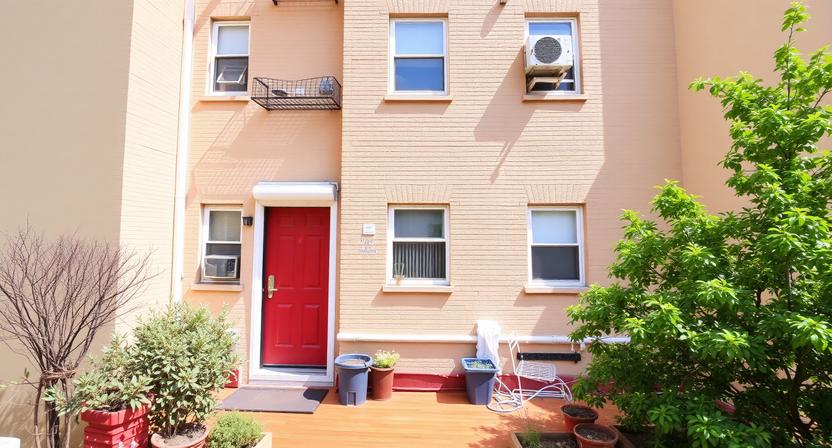
Imagine living (or renting out) an apartment where rent doesn’t rise by hundreds of dollars each year; tenants feel secure about renewing their lease, and prices remain steady throughout the lease. That is the idea behind rent-stabilized housing: homes designed with built-in protections designed to keep rent increases reasonable while keeping tenants long-term.
We will examine what rent stabilization entails and who it affects, while outlining what tenants and landlords must know to remain compliant.
Rent stabilization is a way to protect tenants from sudden, steep increases in rent. It is simply a law that limits the amount of rent that tenants can increase each year. Rent stabilization gives tenants more time to plan and less chance of being surprised by rent increases.
Rent increases are limited to a certain percentage each year. This is usually a small percentage set by local laws. The tenant can also renew the lease, which means they are able to stay for longer periods of time without having to worry about being evicted (unless there is an actual reason). It gives tenants more security and stability to rely on over the years.
Rent-stabilized apartments are not available everywhere. They’re mostly found in cities with high rents and a lack of affordable housing. Local governments in those areas have implemented rules to keep rents under control and prevent tenants from being priced out.
Rent stabilization has already been implemented in several cities:
Who gets to live in an apartment that is rent-stabilized? The answer depends on the apartment building and whether the tenant is using it as his or her primary residence. Let’s take a look at it:
Rent-stabilized apartments are not all the same. The building must meet certain requirements, such as:
The tenant must meet certain simple requirements, even if the building is eligible.
Rent stabilization laws are not mandatory in all cities. This makes it difficult to determine if an apartment is covered by the law. There are a few other ways to get some information or clues.
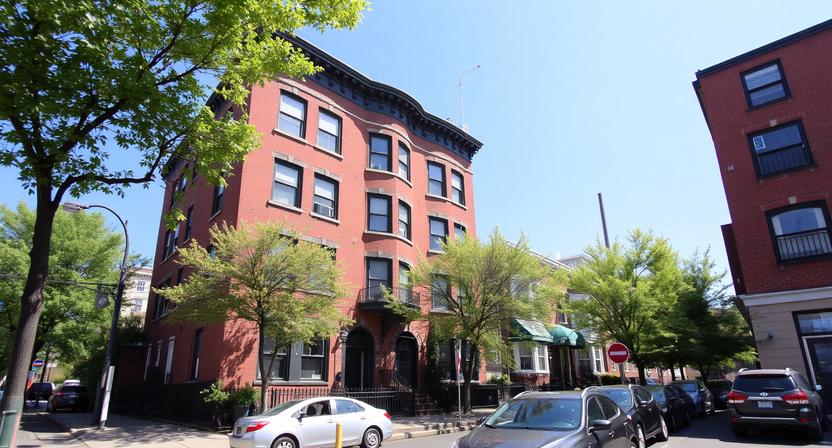
Rent stabilization can be viewed as a tenant protection, but also impacts landlords directly, particularly when it comes to finances, operations, and long-term planning. Let’s dive in:
Rent restrictions, as you can imagine is one of the most significant effects. This protects tenants against drastic increases, but also forces landlords to plan carefully. We have seen that, in cities where rent caps are strict, operating costs for landlords can increase faster than their income. This is especially true in inflationary periods.
It can be difficult for landlords to pay for repairs or upgrades when they can’t increase rent. The landlords still want to maintain the property in good condition, but they are unable to raise rent to match the market.
We’ve seen experienced landlords play the long game with great success. Rent increases are limited if tenants don’t pay rent on time or take care of their space.
Rent-stabilized apartments often require extra steps in the background. Rent-stabilized units often require extra steps behind the scenes. Landlords may need to register their apartment with their city, use a specific lease format, or track every rent change.
There is indeed more paperwork, but for landlords with systems in place or who work with an experienced property manager, it becomes a routine.
Rent stabilization has shifted the focus of landlords to a different type of risk. They focus on retention, efficiency in maintenance, and compliance with housing laws like apartment air-conditioning regulations, instead of solely focusing on market growth.
Rent-stabilized properties can seem risky to some investors. They come with strict regulations and increased oversight, as well as capped rental income. We’ve also noticed that rent-stabilized buildings are attractive to those who play the long game. They offer consistency, reduced vacancy risk, and a strong demand for properties in tight markets.
Rent increases are limited in stabilized properties by law. This means that they don’t provide the same rapid growth of cash flow as market-rate investments. This can be a deal breaker for short-term investors and flippers. For long-term investors these properties can provide predictable, steady returns, particularly in cities with high housing demand.
Investors consider tenant stability as a key benefit. Rent-stabilized apartment tends to have a lower turnover rate because tenants are more inclined to stay when rent increases are minimal. Rent stabilization can lower vacancy costs and marketing expenses and reduce wear and tear from frequent moves-ins and moves-outs.
Rent-stabilized properties are a good investment for seasoned investors. They’re not flashy, but they hold their value even in volatile markets. When investors keep them for a long time, they often find that the appreciation in the property itself offsets any limitations on rental income.
Rent-stabilized apartment helps protect tenants from steep rent increases, maintain predictable increases and has tighter lease renewal rights. Rent stabilization also requires landlords navigate restrictions on rent increases and maintenance costs.
Check Flatrate Eviction Lawyer website for more information.
Our experts regularly author articles and create other forms of publication and commentary on important legal matters and policy developments. Here are some of the latest publications from our legal experts.