FREE CONSULTATION
Call us now at (718) 514-7900
The era of “ERAP Stays” is officially over, but for many New York City landlords, the procedural headache is just beginning. If you accepted Emergency Rental Assistance Program (ERAP) funds in previous years, you likely navigated a frozen eviction case and a “one-year stay” that felt interminable.
At Flatrate Eviction Lawyer, we specialize in helping property owners navigate this transition with sophisticated legal precision. This guide breaks down exactly how to move forward with a post-ERAP eviction without getting trapped in New York’s notorious procedural “gotchas.”
Key Takeaways
- Stay Expiration: Confirm that the mandatory one-year eviction stay triggered by accepting Emergency Rental Assistance Program (ERAP) funds has elapsed.
- Good Cause Compliance: Adhere to the 2024 Good Cause Eviction Law, which now governs most post-ERAP proceedings.
- Arrears Auditing: Distinguish meticulously between months covered by state funds and new unpaid balances in your rent ledger.
- Professional Assistance: Execute precise legal paperwork to navigate the intersection of expired stays and current housing regulations.
What is the Emergency Rental Assistance Program (ERAP)?
The Emergency Rental Assistance Program (ERAP) was a multi-billion-dollar economic relief initiative designed to prevent mass evictions following the COVID-19 crisis.
- The Benefit: Provided eligible tenants with up to 12 months of back rent (arrears) and, in certain instances, three months of prospective rent.
- The Recipient: Disbursed payments directly to landlords to satisfy the tenant’s outstanding debt.
- The Current Status: The New York State application portal ceased operations on January 20, 2023. By 2026, the program will no longer be accepting new applications, and administrative closeouts will be largely finalized.
What ERAP Means for Landlords
Accepting these funds was not merely a financial transaction; it was a binding legal contract with the State of New York. By participating, you consent to the following stipulations:
- The One-Year Eviction Shield: * Refrain from evicting the tenant for a “holdover” (lease expiration) or for non-payment for precisely one year from the date of the initial payment. For the vast majority of NYC landlords in 2026, this clock has run out.
- Late Fee Waiver: * Waive the right to collect any late fees accumulated during the months covered by the state payment. Attempting to pursue these waived fees can lead to a summary dismissal of your case.
- Rent Freezes: * Maintain the rent at the rate existing at the time of application for one year. While this year has passed for most, you must now adhere to Good Cause rent caps, which hover around 8.8% for the 2026 cycle.
- The “Pending” Stay: * Acknowledge that a pending application once triggered an automatic stay. If a tenant claims “pending status” today, it is likely a delay tactic that requires formal verification with the OTDA to lift.
The Landlord’s Bottom Line
The program successfully liquidated billions in debt, but it fundamentally altered the “rules of engagement” in Housing Court. Today, the challenge is no longer the stay itself, but proving you have fulfilled your contractual obligations to move forward under the new Good Cause statutes.
The Expiration of the One-Year Stay
When a landlord accepted funds from the Emergency Rental Assistance Program (ERAP), they entered into a specific agreement with the Office of Temporary and Disability Assistance (OTDA).
- The Clock: You were barred from initiating a “holdover” or “non-payment” proceeding for exactly 12 months from the date of the first payment.
- The 2026 Reality: Given the portal’s closure years ago, the overwhelming majority of these stays have expired, restoring your right to recover possession.
- Action Step: Review your financial records to identify the exact date of the final payment; if 12 months have passed, you are legally cleared to commence a proceeding.
Navigating the “Good Cause” Interaction
This represents the most critical update for 2026. Even after the initial stay concludes, you may remain subject to the Good Cause Eviction Law.
- The New Rule: Unless your property is exempt (e.g., you own 10 units or fewer, or the building is less than 30 years old), you cannot evict simply because a lease expired.
- The “Cause”: Cite a valid legal reason for the proceeding, such as:
- Failure to pay rent following the period covered by the assistance program.
- Persistent nuisance behavior or documented property damage.
- Personal use by the owner or the owner’s immediate family.
- Mandatory Disclosure: Attach the Good Cause Disclosure to every new notice served. Failure to include this specific 2026 language will result in an immediate dismissal in the New York City civil courts.
FREE CONSULTATION
Call us now at (718) 514-7900
Auditing the “Rent Gap”
State assistance rarely covered the total balance owed. Most landlords are left with a “gap”—arrears from before the program or debt accumulated since.
- Arrears Audit: Categorize rent records to isolate months satisfied by state funds versus those that remain unpaid.
- The Late Fee Rule: Ensure no late fees from the covered period are included in your current demand, as these were legally waived upon receipt of funds.
- The 14-Day Demand: Serve a formal 14-day rent demand that accurately reflects the remaining balance to initiate a non-payment case.
Strategic Steps for a Post-ERAP Eviction
To reclaim your property successfully in 2026, follow this specific order of operations:
- Step 1: Status Verification. Confirm the expiration of the stay and determine your building’s exemption status under Good Cause.
- Step 2: Formal Notice. Serve a Notice of Non-Renewal or a 14-Day Rent Demand, ensuring all mandatory 2026 disclosures are integrated.
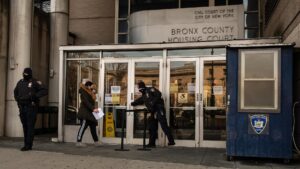
- Step 3: Filing the Petition. Submit your case to the appropriate Housing Court (Queens, Brooklyn, Bronx, etc.) with a clean ledger.
- Step 4: The Hearing. Present your payment history to the judge to demonstrate that you honored the mandatory one-year stay.
How Flatrate Eviction Lawyer Can Help
The transition from temporary pandemic protections to permanent Good Cause regulations is a minefield for property owners. At Flatrate Eviction Lawyer, we provide the high-authority representation required to navigate these complexities.
- Flat-Rate Certainty: Eliminate the unpredictability of hourly billing with our transparent flat-rate eviction packages.
- Technical Compliance: Validate that every notice served meets the rigorous 2026 disclosure requirements to prevent administrative dismissals.
- Record Clearing: Resolve outstanding HPD violations that could otherwise impede your ability to secure a judgment.
- Aggressive Representation: Formulate the optimal “holdover” versus “non-payment” strategy to expedite your case in NYC’s backlogged court system.
Is your administrative burden regarding the Emergency Rental Assistance Program (ERAP) finally ready to be resolved? Visit us at flatrateevictionny.com to secure professional, flat-rate legal efficiency for your property.
Frequently Asked Questions
Q: Can I evict a tenant if their application is still “pending”?
A: No. If a tenant has a legitimate pending application or appeal, the stay remains in effect. However, by 2026, nearly all cases will have been processed. We can help you verify the status to move the case forward.
Q: Can I sue for the money the program didn’t pay?
A: Yes. You may seek a money judgment for any arrears exceeding the 12–15 months covered by the state, as well as “Use and Occupancy” (U&O) for the period following the payment.
Q: What if the tenant applied multiple times?
A: Tenants are generally limited in their applications. We can challenge repetitive or fraudulent filings in court to lift the stay and proceed with the eviction.
Q: Does “Good Cause” protect tenants from rent increases once the ERAP freeze ends?
A: Yes. Once the one-year rent freeze from your Emergency Rental Assistance Program (ERAP) agreement expires, any subsequent increase must comply with the “local rent standard.” For 2026, this is generally capped at 10% or the CPI plus 5%, whichever is lower. Increases exceeding this threshold provide the tenant with a robust legal defense against non-payment evictions.
FREE CONSULTATION
Call us now at (718) 514-7900