


How Long Does an Eviction Take in Queens, New York?
FREE CONSULTATION Call us now at (718) 514-7900 If you are a landlord dealing with a tenant who has stopped...
Learn More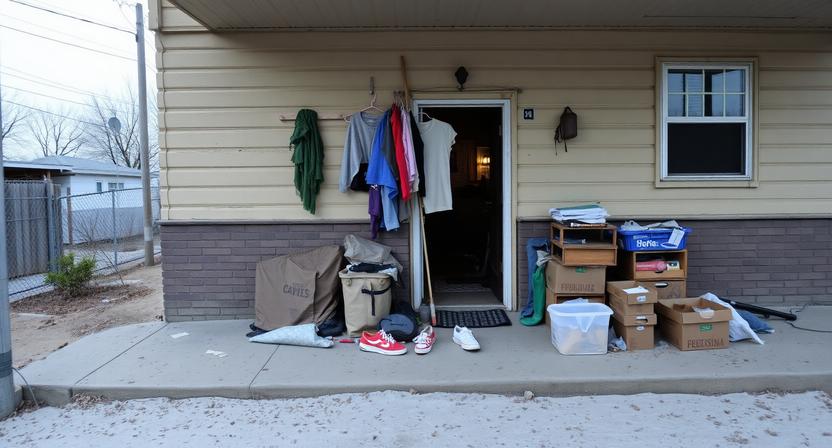
When a tenant passes away in New York, their leased premises and personal property do not instantly revert to the landlord. Legally, the deceased individual’s belongings transfer directly to their estate, requiring property owners to secure the unit and await formal administration.
Managing this situation in the Queens County Civil Court system requires strict adherence to probate and housing laws to avoid wrongful eviction liabilities. Understanding exactly how a tenant dies what happens to belongings preserves your legal standing while respecting the deceased’s family.
Key Takeaways
New York law prohibits landlords from immediately removing or disposing of a deceased tenant’s belongings because those items belong to the tenant’s estate. Taking unilateral action to clear out a unit constitutes an unlawful conversion of property and can trigger substantial financial liabilities. Landlords must keep the premises secure until an executor, administrator, or the Public Administrator presents valid court papers.
The court-appointed executor or estate administrator is the only party legally authorized to claim the deceased tenant’s personal property. Landlords must demand a certified copy of Letters Testamentary or Letters of Administration issued by the Queens County Surrogate’s Court before granting access. Releasing property to relatives without these documents exposes the landlord to lawsuits from competing heirs or the official estate representative.
The reality on the ground is that emotional family members will often show up at your building with a moving truck, demanding immediate entry to collect heirlooms. While their grief is real, your legal liability is also real. If you let them in and they walk away with valuable items, and then a court-appointed executor shows up two weeks later with official Letters Testamentary, you can be held personally liable for the missing assets. Always direct them to the Queens County Surrogate’s Court first.
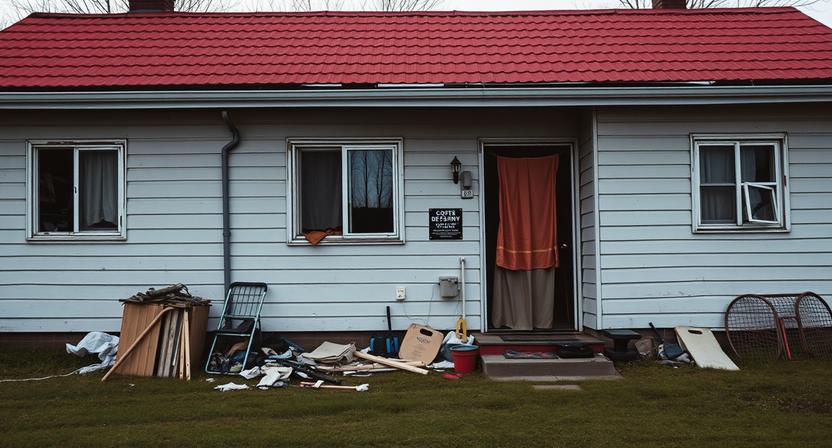
The tenancy does not automatically dissolve upon the death of the tenant, meaning the estate remains liable for ongoing rent. Landlords cannot simply re-rent the unit without executing a formal lease surrender with the estate’s representative or securing a court order.
Furthermore, the security deposit must be handled as an estate asset. Any remaining funds, after legitimate deductions for damage or unpaid rent, must be issued via a check made out to “The Estate of [Tenant’s Name]” rather than to an individual relative.
Protecting your real estate investments in Queens, NYC requires a strict, legally compliant approach to estate disputes. When a tenant dies what happens to belongings is a question that intersects landlord-tenant law and probate regulations, making professional guidance indispensable. Partnering with an experienced legal team ensures you terminate the tenancy properly, minimize vacancy times, and clear the rental unit without facing expensive lawsuits.
Call (718) 514-7900 to consult with a Flatrate Eviction Lawyer and safely resolve your property challenges today.
A: The deceased tenant’s belongings legally become part of their estate. Landlords must secure the premises and are legally prohibited from disposing of, selling, or releasing the property until a court-appointed executor or administrator presents proper surrogate’s court documentation.
A: No, landlords cannot throw away or dispose of the belongings immediately. Doing so constitutes an illegal self-help eviction and property conversion under New York law. Landlords must follow specific statutory notice and storage procedures before taking action.
A: Only family members officially appointed by the court as estate representatives may collect the items. Landlords must verify their legal authority using official Letters Testamentary or Letters of Administration before granting access to the unit.
A: The required storage period depends on estate activity and New York probate proceedings. If the estate remains unclaimed, landlords must coordinate with the county Public Administrator to safely transfer or store the property according to local regulations.
A: Yes, retaining a qualified landlord-tenant attorney is crucial to avoiding severe legal liability. An attorney ensures you navigate the intersection of housing and probate law correctly, draft legally sound notices, and regain possession of your property safely.
Our experts regularly author articles and create other forms of publication and commentary on important legal matters and policy developments. Here are some of the latest publications from our legal experts.