

Good Cause Eviction in Queens: What Landlords Need to Know Before Filing (2026 Update)
FREE CONSULTATION Call us now at (718) 514-7900 If you own rental property in Queens, the rules for ending a...
Learn More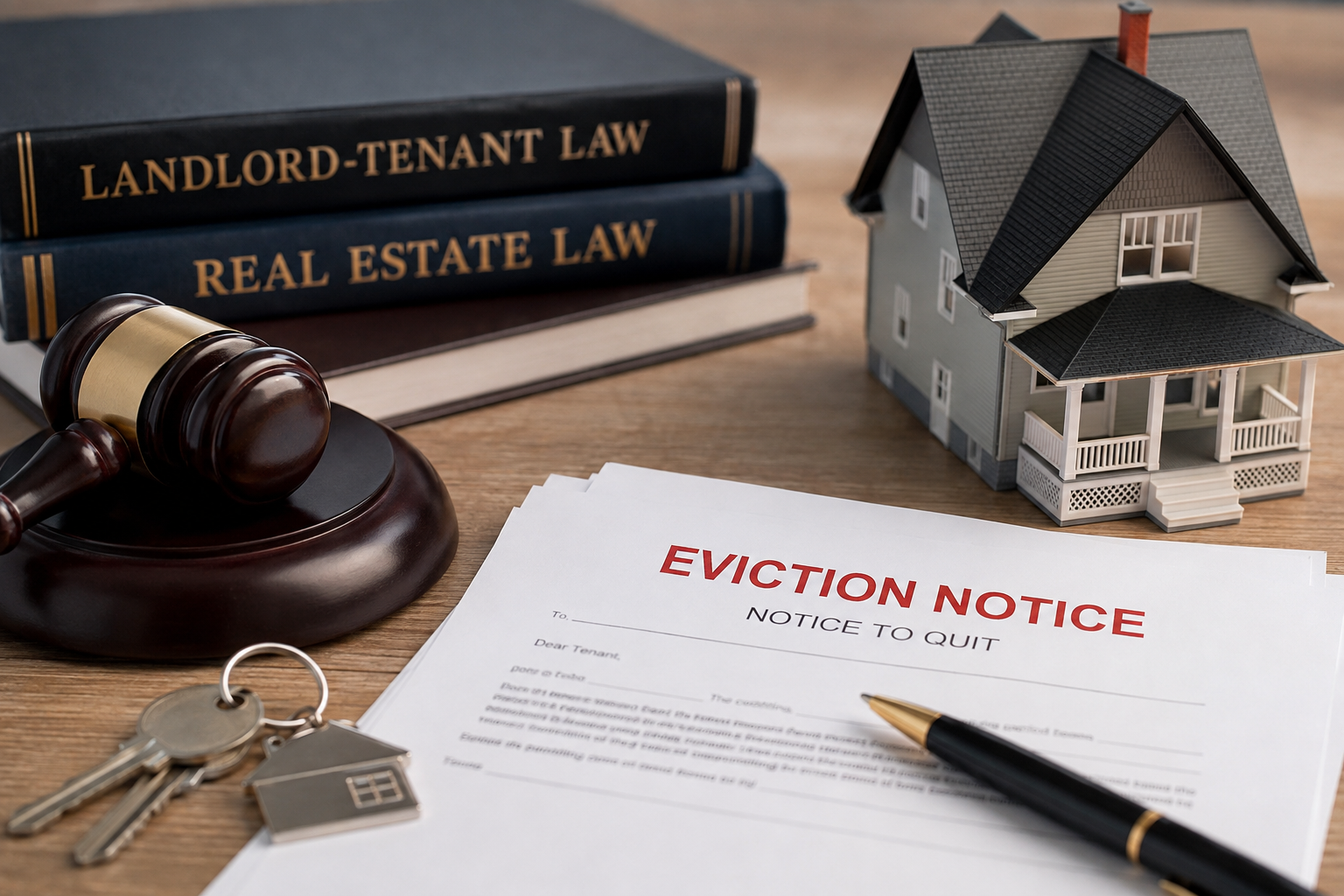
For New York landlords, understanding the difference between a nonpayment eviction and a holdover eviction is essential. Although both proceedings can ultimately result in the removal of a tenant or occupant, they are based on different legal grounds and follow different procedures.
For property owners in Queens and throughout New York City, choosing the appropriate type of eviction proceeding can be especially important because Housing Court cases involve specific notice and procedural requirements.
If you are a landlord dealing with unpaid rent, an expired lease, a lease violation, or a tenant who refuses to leave, speaking with an experienced Queens eviction lawyer can help you understand your legal options before taking action.
A nonpayment eviction is generally used when a tenant has failed to pay rent that is legally due under the tenancy agreement.
New York Courts explain that a nonpayment case is brought by a landlord to collect unpaid rent, and the tenant may face eviction if the rent is not paid. Before starting a nonpayment case in New York City, the landlord generally must make a written demand for the overdue rent and give the tenant at least 14 days before starting the court case.
A nonpayment proceeding is therefore primarily focused on rent arrears.
Imagine a Queens landlord rents an apartment for $2,500 per month. The tenant stops paying rent and remains in the apartment.
The landlord may have grounds to pursue a nonpayment eviction case to seek the unpaid rent and possession of the apartment, provided the required legal procedures and notices are properly followed.
However, landlords should not assume that simply being owed rent means they can immediately remove a tenant. New York eviction law requires landlords to follow the appropriate court process.
A holdover eviction is different. It is generally brought for a reason other than simply failing to pay rent.
New York Courts describe holdover proceedings as cases involving a tenant or occupant whose right to remain in the property has ended or who has violated certain conditions of the tenancy. Examples can include an expired tenancy, certain lease violations, nuisance conduct, or other circumstances recognized under New York law.
The exact requirements depend heavily on the circumstances of the tenancy, the type of property, the lease, and applicable New York and New York City laws.
The simplest way to understand the distinction is:
Nonpayment eviction = unpaid rent
Holdover eviction = possession is being sought for a reason other than simple nonpayment

New York Courts specifically identify these as separate types of eviction proceedings.
| Nonpayment Eviction | Holdover Eviction |
|---|---|
| Based primarily on unpaid rent | Based on a reason other than simple nonpayment |
| Focuses on rental arrears | May involve lease expiration, lease violations, or other grounds |
| Written rent demand is generally required before filing | Notice requirements depend on the circumstances |
| Tenant may have defenses related to the rent claimed | Defenses depend on the specific holdover allegations |
| Can seek unpaid rent and possession | Primarily seeks possession based on the asserted grounds |
The distinction matters because using the wrong legal theory or serving an improper notice can create significant problems for a landlord.
One of the most important parts of any New York eviction case is determining which notice is required.
For a nonpayment case in New York City, the landlord generally must make a written demand for the overdue rent at least 14 days before starting the case.
Holdover cases can involve different types of notices depending on the reason for the proceeding. New York Courts note that many holdover cases require written notice before the case can be started, and the correct notice must be used and properly delivered.
For example, certain lease violations may involve a Notice to Cure followed by a Notice of Termination if the violation is not corrected.
Because notice requirements can vary, landlords should avoid relying on a generic eviction notice without determining whether it actually applies to their situation.
Not necessarily.
A landlord should not automatically treat every tenant who owes money as a nonpayment case, particularly when the tenant’s right to occupy the property has also changed.
Similarly, a landlord should not automatically file a holdover case simply because a tenant has stopped paying rent.
The correct proceeding depends on the facts and legal circumstances of the tenancy. New York courts recognize nonpayment and holdover proceedings as distinct causes of action with different characteristics and potential defenses.
This is one reason why consulting a New York eviction lawyer before filing can be valuable.
Both nonpayment and holdover cases generally proceed through Housing Court.
A landlord cannot simply change the locks or remove a tenant without following the applicable legal process. An eviction generally requires a court judgment and, where appropriate, a warrant of eviction before a marshal or other authorized officer can carry out the eviction.
The tenant may also raise defenses or challenge the landlord’s case.
For example, potential defenses in a holdover proceeding can depend on the allegations and may include disputes about the alleged violation, defective notices, correction of a claimed violation, or other legal defenses.
For landlords in Queens, NY, an eviction case can become complicated quickly.
A mistake in a notice, filing, service, lease documentation, or court procedure can potentially delay the case or result in dismissal.
That’s particularly important when dealing with:
An experienced Queens eviction attorney can review the circumstances and help determine which legal process may apply.
New York landlords should also be careful about attempting to remove a tenant themselves.
Changing locks, shutting off essential services, or otherwise forcing a tenant out without following the proper legal process can create serious legal consequences.
When a tenant has the legal right to occupy a property, the landlord generally needs to use the appropriate court process rather than taking matters into their own hands.
Consider speaking with a Queens eviction lawyer before taking action if:
Getting legal guidance early may help you understand the appropriate process before a filing or notice creates additional complications.
The answer depends on why you are seeking possession of the property.
If the primary issue is unpaid rent, a nonpayment proceeding may be appropriate.
If the tenant’s right to occupy has ended or there is another legally recognized reason for seeking possession, a holdover proceeding may be appropriate.
However, every landlord-tenant situation is different. Lease terms, rent-regulated status, notices, payment history, tenancy type, and other facts can affect the appropriate legal strategy.
If you are unsure which type of eviction applies to your situation, it is better to seek legal guidance before serving documents or filing a case.
If you are a landlord facing unpaid rent, a holdover tenant, lease violations, or another landlord-tenant dispute, Flat Rate Eviction can help you understand your legal options.
Flat Rate Eviction
📍 Forest Hills, NY 11375
📞 718-514-7900
For more information or to request a consultation, visit Flat Rate Eviction NY.
If you are searching for an eviction lawyer in Queens, a Queens eviction attorney, or a New York eviction lawyer, contact the firm to discuss your situation and determine what legal options may be available.
Is nonpayment the same as a holdover eviction in New York?
No. A nonpayment case generally concerns unpaid rent, while a holdover case is brought for a reason other than simple nonpayment, such as certain lease violations or the expiration of a tenancy.
What is a holdover tenant in New York?
Generally, a holdover tenant is someone who remains in possession after the expiration or termination of their legal right to occupy the property, depending on the circumstances.
How long does a New York eviction take?
There is no single timeline that applies to every eviction. The length of a case can depend on the type of proceeding, notices, service, court dates, defenses, settlement discussions, and other case-specific circumstances.
Can a landlord evict a tenant without going to court?
Generally, landlords should not use self-help methods to remove a tenant who has a legal right to occupy the property. The appropriate eviction process generally requires court involvement and a judgment before an authorized officer carries out the eviction.
Should I hire an eviction lawyer in Queens?
If you are uncertain about the correct eviction procedure, notice requirements, or legal grounds for removing a tenant, consulting a qualified Queens eviction lawyer can help you understand the process and avoid preventable mistakes.
Disclaimer: This article provides general information about New York landlord-tenant law and is not legal advice. Eviction laws and procedures can depend on the specific facts of a case and may change. Landlords should consult a qualified attorney regarding their particular situation. For more information or to request a consultation, visit Flat Rate Eviction NY. or Call us now at (718) 514-7900
Our experts regularly author articles and create other forms of publication and commentary on important legal matters and policy developments. Here are some of the latest publications from our legal experts.