

A Landlord’s Guide to Handling Unpaid Rent in NYC
FREE CONSULTATION Call us now at (718) 514-7900 When a tenant stops paying rent, many landlords feel frustrated and unsure...
Learn More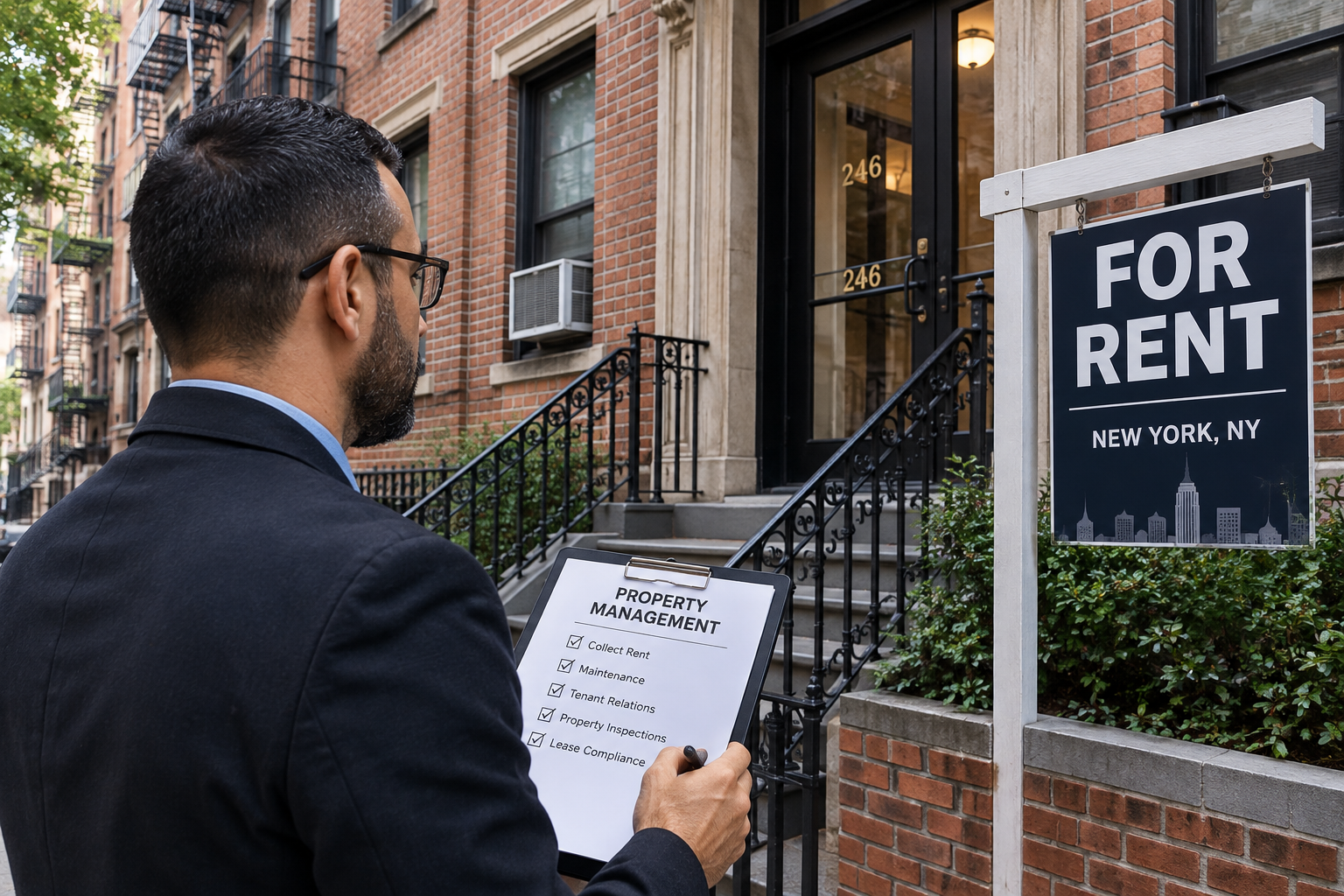
When a tenant stops paying rent, many landlords feel frustrated and unsure of what to do next. Acting too quickly can lead to costly mistakes, while waiting too long can increase financial losses. In New York, landlords must follow specific legal procedures before they can recover unpaid rent or regain possession of their property.
This guide explains the steps landlords should take when a tenant falls behind on rent and how to protect their rights throughout the process.
Before taking any action, carefully review the lease agreement. Look for provisions related to:
The lease serves as the foundation for any future legal action. Make sure you have a signed copy readily available.
Sometimes a payment may be delayed due to:
Check your records, bank statements, and payment portal before contacting the tenant. Maintaining accurate records is essential if the matter later proceeds to NYC Housing Court.
Contact the tenant as soon as the payment becomes overdue. A professional and non-confrontational approach often resolves misunderstandings quickly.
You can send:
Ask whether the tenant is experiencing a temporary hardship and request a specific date for payment.
Tip: Keep copies of all communications. Written documentation can be valuable evidence later.
Create a file that includes:
Good documentation strengthens your position if you need to file a nonpayment proceeding.
In New York, landlords generally must serve a 14-day rent demand before starting a nonpayment eviction case.
The notice should include:
Improper notices are one of the most common reasons eviction cases are delayed or dismissed. Make sure the notice complies with current New York law and is served correctly.
Even if the tenant has not paid rent for several months, landlords cannot:
These actions may constitute an illegal eviction and can expose the landlord to significant penalties and damages.
Always use the legal court process.
If the tenant is cooperative and has a realistic plan to catch up on rent, a written payment agreement may be worthwhile.
A repayment agreement should specify:
Have both parties sign the agreement and keep a copy for your records.
If the tenant fails to pay after receiving the required notice, the next step is usually to file a nonpayment proceeding in the appropriate New York Housing Court.
The court process generally includes:
Because procedural errors can cause delays, many landlords choose to work with an experienced eviction attorney.
Delaying action can make it harder to recover unpaid rent and may encourage continued nonpayment.
Accepting partial rent without a written agreement may affect your ability to pursue the full amount owed.
An incomplete payment history can weaken your case in court.
Text messages and verbal requests are not substitutes for the legally required rent demand.
The timeline varies depending on:
Some cases resolve within a few weeks, while contested matters can take several months.
You should consider speaking with an attorney if:
Early legal guidance can often save landlords significant time and expense.
When a tenant stops paying rent, the most important thing a landlord can do is stay organized, act promptly, and follow the law. Start by reviewing the lease, communicating with the tenant, and documenting all missed payments. If the rent remains unpaid, serve the proper legal notice and proceed through the New York Housing Court system rather than attempting self-help measures.
Taking the correct steps from the beginning can help landlords protect their rental income, avoid unnecessary delays, and preserve their legal rights throughout the eviction process.
If your tenant has stopped paying rent and you are unsure what to do next, Flat Rate Eviction NY can help you navigate the eviction process efficiently and legally.
Call 718-514-7900 today to discuss your landlord-tenant matter with an experienced New York eviction attorney.
A: You should hire a lawyer immediately if you receive court papers, face an eviction, or have a lease dispute. Waiting to get counsel often limits your options and leads to default judgments.
A: Yes, an attorney can negotiate settlements, draft demand letters, and resolve lease issues out of court. Most housing disputes are settled through structured negotiations before a trial is necessary.
A: Bring your signed lease agreement, rent ledgers, written notices, date-stamped photos, and all written communications. Having these documents ready allows your lawyer to evaluate your case accurately.
A: Look for a lawyer with specific experience in the Queens County Civil Court and transparent fees. Verify their knowledge of local NYC rent stabilization codes and read recent client reviews.
A: Absolutely, getting legal advice early prevents costly filing mistakes and protects your statutory rights. Early intervention is the best way to resolve the dispute quickly and avoid court.
Our experts regularly author articles and create other forms of publication and commentary on important legal matters and policy developments. Here are some of the latest publications from our legal experts.