


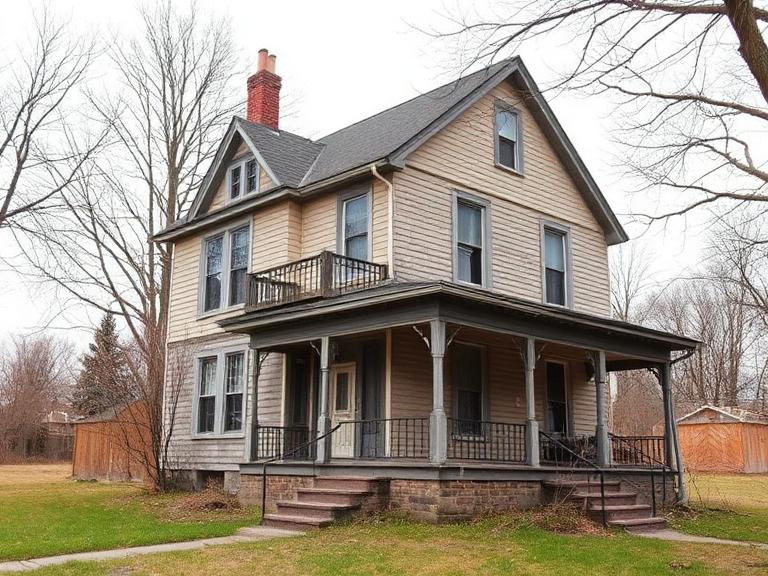
How Long Before Property Is Considered Abandoned in New York

FREE CONSULTATION

Call us now at (718) 514-7900

When someone types “How long before property is considered abandoned in New York” into a search bar, they usually want a simple answer. Maybe a tenant disappeared, left furniture and mail, and has not paid rent. Maybe you are the tenant, and you moved out in a hurry, and now you worry about your things.

Here is the hard truth. New York law does not give one magic number of days for every situation. Abandonment depends on facts, notice, and what the parties do next. That is exactly why these cases turn into lawsuits so often.

This article walks through how New York treats “abandoned” rental units and belongings, what landlords should do, and how tenants can protect themselves. It is information, not individual legal advice. For real answers on your exact situation, you should speak with a New York eviction lawyer.

Key Takeaways

  • Abandonment in New York depends on conduct and evidence, not a single fixed day count.
  • Courts look at nonpayment, vacancy, removal of belongings, and lack of contact together.
  • Left-behind property must be handled carefully, with notice and documentation
  •  Landlords also have a duty to mitigate damages after abandonment under Real Property Law 227-e.
  • Flatrate Eviction Lawyer helps landlords and tenants sort out abandonment disputes before they explode.

How Long Before Property Is Considered Abandoned in New York, Really?

The short legal answer is uncomfortable. There is no single statewide rule that says “after X days, a unit is abandoned.”

Instead, New York relies on:

  • the written lease terms, if they address abandonment
  • court decisions applying general landlord-tenant principles
  • related statutes about abandonment and mitigation of damages

When courts or agencies decide if a tenant abandoned a unit, they usually look at:

  • unpaid rent over a period of time
  • removal of most personal belongings
  • keys returned, locks changed, or utilities shut off
  • no response to calls, emails, or written notices
  • statements from neighbors or building staff

So “How Long Before Property Is Considered Abandoned in New York” is less about a calendar and more about a pattern. The longer the unit sits empty with no rent and no contact, the stronger an abandonment argument becomes.

At the same time, acting too early can expose a landlord to claims of illegal eviction or conversion of property. That balance is where legal advice matters.

What Factors Decide How Long Before Property Is Considered Abandoned in New York?

Think in terms of three buckets:

  1. The rental unit itself.
  2. The tenant’s personal belongings.
  3. The landlord’s conduct once they suspect abandonment.

1. Signs the unit is truly abandoned

New York courts tend to treat a place as abandoned only when several signs line up, for example:

  • The tenant has not paid rent for months
  • The tenant stopped sleeping there and removed most items
  • Neighbors confirm the move-out
  • Mail piles up or gets returned
  • The landlord’s written notices go unanswered

There is still no official “30 days” or “60 days” rule for every case. Some guidance in New York law uses three months in other abandonment contexts, such as abandoned dwellings, where an owner fails to collect rent or maintain a building.

However, that statute deals with abandoned buildings, not everyday apartments that some tenant left last week. It shows that lawmakers treat three months of inaction as a serious signal, but it is not a blanket rule for all leases.

2. What about personal property left behind?

The second bucket is the couch, clothes, boxes, and random kitchen items sitting in the unit. New York does not have one detailed statewide statute that tells landlords exactly how many days they must hold these items in every case. Many rights and duties come from:

  • The lease terms for abandoned property
  • General property and contract law
  • “Reasonableness” standards applied by judges

Best practice for many landlords includes:

  • Making a careful inventory
  • Taking photos and videos
  • Sending written notice to the last known address and email
  • Giving a clear deadline to pick up items
  • storing them for a reasonable period before disposal or sale

Some guidance and commentary suggest 30 days as a common storage window before treating items as abandoned, especially after written notice. That number comes from practice, not a single New York statute that covers every case.

3. The landlord’s legal duties after abandonment

If a landlord reasonably concludes the tenant abandoned the unit, New York Real Property Law 227-e requires the landlord to mitigate damages. That means they must take reasonable steps to re-rent the apartment instead of letting it sit empty and charging the former tenant for the full remaining lease term.

At the same time, General Obligations Law 7-108 requires specific handling of security deposits, including an itemized statement and return of any remaining amount within 14 days after the tenant vacates.

Those deadlines and duties often interact with abandonment disputes. If a landlord mishandles either one, they can lose the right to keep the deposit or face claims.

FREE CONSULTATION

Call us now at (718) 514-7900

how long before property is considered abandoned in nyc

Can You Just Throw Out “Abandoned” Property Once You Think the Tenant Left?

This is the trap many landlords fall into. The answer is almost always no. At least, not without a process.

If you misjudge How Long Before Property Is Considered Abandoned in New York and rush to toss belongings or change locks, you risk claims for:

  • illegal eviction
  • conversion of personal property
  • statutory penalties under housing and consumer laws

A safer approach usually looks like this:

  1. Inspect the unit carefully.
    Confirm the tenant is gone, not traveling. Look for signs they moved out, not just left for a week.
  2. Document the condition.
    Take detailed photos, including all items, damage, and meter readings if relevant.
  3. Send a formal written notice.
    Explain that you believe the unit is abandoned. Give a clear deadline for communication and retrieval of belongings.
  4. Store items for a reasonable period.
    Store them in a safe place. Keep receipts and an inventory. Avoid using or selling them for your own benefit during this time.
  5. Decide next steps with counsel.
    After the notice period passes with no contact, talk with an attorney before disposal or sale, especially if items appear valuable.

Courts often ask one question. Did the landlord act reasonably and in good faith based on the information they had? If the answer looks like “not really,” the landlord’s risk increases.

How Should Tenants Handle Property When They Move Out?

Tenants also have responsibilities in this story. Many disputes start because a tenant leaves quickly, then returns weeks later, angry that “everything is gone.”

To avoid that, tenants should:

  • Give a clear written move-out notice with a forwarding address
  • Remove all belongings they care about before turning in keys
  • Photograph the empty unit at move-out
  • Ask in writing about any items they cannot remove right away
  • Respond quickly to landlord notices about left-behind property

If you left belongings behind, do not wait months. Reach out in writing as soon as possible. Silence can look like surrender.

Where Does Flatrate Eviction Lawyer Fit In?

Abandonment problems rarely stay simple. They often mix:

  • unpaid rent
  • damaged units
  • security deposit fights
  • left-behind furniture or vehicles
  • threatened or actual eviction cases

Flatrate Eviction Lawyer steps in to untangle those pieces.

For landlords, we:

  • Review the facts and lease language
  • Help decide whether abandonment truly occurred
  • Draft notices about possession and property
  • Advice on storage, disposal, or sale of belongings
  • Defend against wrongful eviction or property claims

For tenants, we:

  • explain what abandonment means under New York law
  • review whether the landlord acted reasonably
  • pursue claims for mishandled property or lockouts
  • raise abandonment and mitigation issues in court

Because we work on a flat-rate model in many matters, you know the legal costs up front. That helps when cash flow is already tight due to vacancy or moving expenses.

Time to Get Clear Answers on How Long Before Property Is Considered Abandoned in New York

If you are still wondering “How Long Before Property Is Considered Abandoned in New York”, you are already in the danger zone. Guessing here can get expensive fast, for both landlords and tenants.

Flatrate Eviction Lawyer can review your lease, your timeline, and your evidence. We then explain your options in plain language and help you choose a strategy that fits your risk and goals.

Contact Flatrate Eviction Lawyer today to schedule a consultation. We will help you handle suspected abandonment, protect your rights, and move forward with a clear plan instead of cross-your-fingers hope.

Frequently Asked Questions 

  1. Is there a specific number of days before property is considered abandoned in New York?
    No single statute sets several days for every rental. Courts look at a combination of vacancy, nonpayment, and lack of contact.
  2. Does a landlord have to store a tenant’s belongings after move-out?
    Often yes, at least for a reasonable time with notice and documentation. Exact duties depend on the lease and circumstances.
  3. Can a landlord keep everything to cover unpaid rent?
    Not automatically. Landlords must follow proper procedures, mitigate damages by re-renting, and handle the security deposit under General Obligations Law 7-108.
  4. What if a tenant comes back months later asking for their stuff?
    If the landlord gave notice and stored items reasonably before disposal, the tenant’s claim may be weaker. Facts and timing still matter.
  5. Should I talk to a lawyer before declaring a place abandoned?
    Yes. Because New York has no simple day count rule, a short legal consult can prevent costly mistakes in both residential and commercial settings.


FREE CONSULTATION

Call us now at (718) 514-7900

Can a Landlord Legally Refuse an Emotional Support Animal?

FREE CONSULTATION

Call us now at (718) 514-7900

When people Google Can a Landlord Legally Refuse an Emotional Support Animal?” they’re usually already stressed. Maybe a landlord just said “no pets,” even after seeing an ESA letter. Maybe you are the landlord, and you are worried about damage, allergies, or other tenants. Either way, you are dealing with disability rights, fair housing rules, and real emotions, all at once.

This area of law is not just about pets. It is about whether an animal qualifies as a reasonable accommodation for a person with a disability. That is a very different category from a regular pet policy.

Before we go further, one important note. This article is general information. It is not legal advice for your exact situation. ESA rules can vary by state and by specific facts. Talking with a housing or eviction lawyer is always the smart move.

Key Takeaways

  • Emotional support animals are not treated as regular pets under many housing laws.
  • Landlords often must consider an ESA request as a disability accommodation.
  • A landlord may refuse only in limited situations, such as undue hardship or direct threat.
  • Tenants must provide proper documentation and act reasonably.
  • Flatrate Eviction Lawyer helps both landlords and tenants navigate ESA disputes.

1. Emotional support animals versus pets and service animals

To understand “Can a Landlord Legally Refuse an Emotional Support Animal?”, you need to separate three ideas.

Pets

These are animals kept for companionship. They have no special legal status. Your lease can say “no pets,” and usually that is allowed.

Service animals

These animals are trained to perform specific tasks for a person with a disability. Think guide dogs or seizure alert dogs. They have strong protections, especially in public places.

Emotional support animals

ESAs are different. They do not need specialized training. Their role is to provide comfort, stability, or emotional support that helps with a mental or emotional disability.

In the housing context, ESAs can qualify as a reasonable accommodation. That means a landlord may need to bend normal rules, like no-pet clauses or pet fees.

2. When Does “Can a Landlord Legally Refuse an Emotional Support Animal?” Become a Real Legal Question?

This question becomes real the moment a tenant says something like:

“I have an emotional support animal. I need an exception to your no-pet policy because of my condition.”

At that point, several legal duties can arise for the landlord, depending on the jurisdiction. Typically, those duties include:

  • treating the request as a disability accommodation request
  • engaging in an interactive process in good faith
  • reviewing documentation that supports the need for the ESA

The tenant, on the other hand, has obligations too. They must:

  • show that they have a qualifying disability
  • show that the ESA helps with symptoms or functioning
  • provide reasonable documentation, often from a licensed professional

So the legal question usually is not “pets or no pets.” It is whether the landlord fulfilled housing law duties and whether the tenant supported the request properly.

3. When Can a Landlord Say “No” to an ESA Request?

The answer to “Can a Landlord Legally Refuse an Emotional Support Animal?” is not always “never.” Landlords do have rights. However, the list of valid reasons to refuse is limited.

Common lawful reasons can include:

The animal creates a direct threat

If an animal has shown dangerous behavior that cannot be reduced by reasonable steps, a landlord may refuse. For example, a dog that has attacked other tenants.

Undue financial or administrative burden

If allowing the ESA would create significant, verifiable hardship for the landlord or property, refusal may be justified. This is a high bar, not a simple inconvenience.

Fundamental change to the housing

If approving the ESA would fundamentally alter the nature of the housing service, the landlord may argue against it.

No actual disability or need

If the documentation is clearly fake or no link exists between the animal and the disability, the landlord can challenge the request.

In every situation, the details matter. Courts and agencies look closely at the evidence. A quick “no” based on personal dislike of animals is not enough.

4. What Documentation Can a Landlord Request?

Landlords often feel stuck. They want to follow the law, but they also worry about fake online ESA letters. So what can they legally ask for?

They usually may request:

  • confirmation that the tenant has a disability covered by housing laws
  • confirmation that the ESA helps with that disability in some meaningful way

They typically may not demand full medical records or ask for specific diagnoses in intrusive detail. Many areas allow verification from licensed mental health professionals, doctors, or similar providers.

As a landlord, you should handle this process carefully. As a tenant, you should provide honest, clear documentation from a qualified professional, not a random website that prints certificates in ten seconds.

FREE CONSULTATION

Call us now at (718) 514-7900

emotional support animal

5. Common Mistakes Landlords Make With Emotional Support Animals

Here is where things often go sideways.

Refusing instantly because of a no-pets policy
That policy might need to flex for an ESA request. Housing laws can require exceptions.

Charging pet rent or pet deposits for ESAs
Many jurisdictions prohibit extra pet fees for ESAs used as reasonable accommodations. Damage can still be charged later, but not preemptive “ESA rent.”

Delaying responses too long
Ignoring a request or dragging it out can be treated like a denial. Timely, documented responses are safer.

Harassing or retaliating against a tenant
Raising rent, threatening eviction, or making life harder because of an ESA request can lead to serious legal trouble.

Flatrate Eviction Lawyer often sees these errors in disputes. Much of this could be prevented with the right guidance early.

6. Common Mistakes Tenants Make With ESA Requests

Tenants are not always perfect either. A few missteps can hurt otherwise valid claims.

Moving the animal before making any request
Surprisingly, the landlord can cause mistrust. It is better to ask first when possible.

Using weak or suspicious documentation
Quick online forms that do not involve real evaluation can backfire. Landlords, courts, and agencies see them often.

Refusing all communication
Tenants should participate in the interactive process. Simple, calm answers go a long way.

Letting the animal cause damage or disturbance
Even ESAs must follow basic rules. Animals that bark constantly, destroy property, or threaten others can lose protection.

When problems build, both sides often feel wronged. That is usually when lawyers enter the picture.

7. How does Flatrate Eviction Lawyer help with “Can a Landlord Legally Refuse an Emotional Support Animal?”

Our firm works with both landlords and tenants. We see the entire field, not just one side.

For landlords, we help:

  • Design ESA request procedures
  • Review documentation for compliance
  • Advice on when a refusal is defensible
  • Defend against claims of discrimination

For tenants, we:

  • Review lease language and policies
  • Evaluate whether facts support an ESA claim
  • Help respond to refusal letters
  • Raise ESA issues as defenses in some eviction cases

Because we use a flat-rate structure in many matters, you know what you pay up front. That clarity helps when stress is already high.

8. When Should You Call a Lawyer?

You should reach out when:

  • A landlord has refused an ESA request, and you believe it was unfair
  • You are a landlord facing multiple ESA requests and feel unsure
  • An eviction case has ESA issues mixed in
  • There are accusations of discrimination or retaliation

These are not “do it yourself” matters. Mistakes here can lead to damages, penalties, or lost housing. A short consultation can prevent long fights.

9. Time to Get Answers About “Can a Landlord Legally Refuse an Emotional Support Animal?”

If you are wrestling with “Can a Landlord Legally Refuse an Emotional Support Animal?” you should not guess. The stakes involve housing, disability rights, and legal risk.

Flatrate Eviction Lawyer can review your lease, your documents, and your specific facts. Then we can explain your options in plain English, not legal jargon.

Reach out today to schedule a consultation. Get clear guidance on emotional support animals, your rights, and your next step before things escalate.


Frequently Asked Questions 

Do emotional support animals count as pets under a no-pet policy?

Often they do not. Many housing laws treat ESAs as disability accommodations rather than ordinary pets.

Can a landlord charge pet rent for an emotional support animal?

Many jurisdictions do not allow extra pet rent or deposits for ESAs. However, tenants can still be charged for actual damage.

Can a landlord ask for proof of disability for an ESA?

They can usually request limited verification that a disability exists and that the ESA helps. They cannot demand full medical records.

What happens if a landlord wrongly refuses an ESA?

They may face discrimination claims, complaints to housing agencies, or defenses in eviction cases. Legal consequences can be serious.

Can a landlord ever remove an approved emotional support animal?

Yes, in some cases. If the animal poses a direct threat, causes major damage, or cannot be controlled, removal may be allowed, but the facts need careful legal review.

FREE CONSULTATION

Call us now at (718) 514-7900

Do I Need an Eviction Lawyer Near Me in New York?

FREE CONSULTATION

Call us now at (718) 514-7900

If you don’t know the basics, it is going to be hard for you to find a New York Flatrate eviction lawyer near you. A lot of rules and strict deadlines apply to both landlords and tenants. An experienced lawyer who knows the system can certainly make the most difficult part of the process much easier.

The New York eviction law is a complicated one. Flatrate Eviction Lawyer was created with this in mind. You will not be overwhelmed with jargon but rather guided step-by-step through the process.

Key Takeaways

  • New York’s eviction process is not easy. One missed deadline or the wrong notice can cause the case to be delayed or even dismissed.
  • Hiring a Flatrate eviction lawyer near you will save you from making expensive errors.
  • With FlatRate eviction services, you pay one clear price and are provided with full support from the beginning to the end.
  • A free consultation will help you comprehend your situation, your alternatives, and if the lawyer is the right fit.

What You Should Know About the Eviction Process in New York

The process in itself is simple. But strict deadlines, rules, and paperwork complicate the process. It is easy to miss a document or miss submitting a form by the deadline. Here is what happens in a New York eviction case. 

Court Order

Landlords can’t just kick tenants out. Nope. You need a court order. It’s not just a form—you need it to make the eviction legal. Everyone gets a fair shot, and you avoid unnecessary headaches. Skipping it is not a great idea.

Unlawful Detainer

If a tenant doesn’t leave after getting notice, the landlord can file an unlawful detainer lawsuit in Housing Court. Think of it as the official way of saying, “Court, I need my property back.” Miss a step here, and things can get messy, or you could even lose the case.

Eviction Procedures

Most evictions follow a pretty straightforward path:

  • Notice to Quit: The landlord is going to dispatch a written notification. For instance, in the case of rent nonpayment, the landlord will issue a demand for rent to be cleared within 14 days.
  • Filing a Lawsuit: In case the tenant does not pay or leave, the landlord will file a petition for unlawful detainer.
  • Court Hearing: The landlord and tenant will narrate their part. The landlord has to show that the eviction was right.
  • Judgment and Eviction: A judgment and eviction order are given if the court decides in favor of the landlord. If required, the police will get involved.

When Might You Need an Eviction Lawyer in New York?

Non-Payment of Rent

Tenant behind on rent? A lawyer from Flatrate Eviction Lawyer makes sure notices and filings are correct and handles the whole process. Less stress for you.

Holdover or Lease Issues

Tenants overstaying or ignoring notices? A New York eviction lawyer near you keeps everything on track with Housing Court rules.

Habitability or Code Violations

Unsafe or unlivable conditions? Lawyers guide landlords and protect tenants’ rights. Everyone wins.

Tenant Defenses or Counterclaims

Some tenants push back with claims of procedural mistakes. Lawyers know how to handle this and keep things moving smoothly.

Complex Evictions or Multiple Tenants

The presence of various tenants, commercial areas, and disputed cases may lead to a complicated situation. Skilled lawyers will take care of the tedious tasks such as paperwork filing and court appearances for you, thus allowing you to relax.

Why Hire an Eviction Lawyer in New York?

Legal Representation

A lawyer knows the ropes. They handle your case correctly, minimizing mistakes and keeping the eviction moving forward.

Proper Notices

All eviction notices have to follow New York law. Lawyers ensure they’re prepared correctly and served properly.

Complex Cases

Lease disputes, habitability issues, tenant defenses? Lawyers have the experience to handle it all without drama.

Peace of Mind

It is great to know someone’s got your back. You can focus on your property, your life, or just breathe easy while a pro takes care of the legal stuff.

FREE CONSULTATION

Call us now at (718) 514-7900

eviction lawyer near me

FlatRate Eviction Services: Simple, Predictable, and Professional

Flatrate Eviction Lawyer offers FlatRate eviction services. One price covers everything—no surprise fees.

  • Transparent Pricing: Get to understand the price right away. There are no secret charges.
  • Comprehensive Support: You will not be charged for anything from notices to court filings; everything is included.
  • Efficiency: A transparent procedure results in quicker dispute resolutions.
  • Peace of Mind: You can now concentrate on your property, as the most typical eviction situations are covered.

Free Consultations: Get Clarity, No Risk

A lot of law offices, such as Flatrate Eviction Lawyer, provide free consultations. It is a very easy method to get responses.

What Happens:

  • Identify your legal status.
  • Look into the different possibilities.
  • Determine if the attorney is suitable for you.

How to Prepare:

  • Carry leases, notifications, and communications with you in copies.
  • Write down your questions related to the term, costs, and management.
  • Be honest. The more accurate the information you give, the better the counsel will be.

Finding an Eviction Lawyer Near You

  • Bar Associations or Housing Court Referrals: Experienced lawyers’ lists.
  • Online Directories: Avvo, FindLaw, and similar websites present profiles, reviews, and information about free consultations.
  • Legal Aid Services: Non-profits may provide assistance with the advice being either free or at a very low cost.
  • Personal Recommendations: Friends, family, or coworkers can lead you to honest Flatrate lawyers.

Conclusion

A no-cost consultation with an eviction lawyer near you from the Flatrate Eviction Lawyer is a first step. Our Flatrate eviction lawyer can safeguard your rights and make the eviction process easier. Don’t miss out on this offer. Also, think of FlatRate services for reliable, expert assistance in New York. Contact us for more information.


Frequently Asked Questions

Do I need a lawyer? 

Not necessarily, but it certainly makes everything a lot easier. They are the ones who guard your rights and prevent you from making mistakes.

What is the cost of the service? 

It all depends on the complexity of your case and also whether you decide on FlatRate or hourly billing. It is always advisable to talk about fees beforehand.

Is it possible for a landlord to evict someone without going through the court system? 

Not at all. Necessary legal procedures and court orders have to take place. Trying to get a tenant out without having proper legal grounds would be classified as self-eviction. This is very risky and may lead to quite hefty fines.

FREE CONSULTATION

Call us now at (718) 514-7900

How to Legally Transfer Property Ownership in NYC

Transferring property ownership in New York City involves more than signing over a deed. It’s a legal process that requires accuracy, proper documentation, and compliance with city regulations.

A deed transfer lawyer in NYC can assist with changing ownership between family members, adding a spouse to the deed, or transferring property to an heir. At Siddiqi Law Group PC, our attorneys handle all aspects of property title transfer, from document preparation to recording with the NYC Register.

Common situations requiring deed transfers include:

  • Marriage or divorce

  • Estate planning and inheritance

  • Ownership changes within an LLC or business

  • Correction of errors in prior deeds

Our team ensures your transfer is recorded correctly, preventing disputes and ensuring your property remains legally protected.