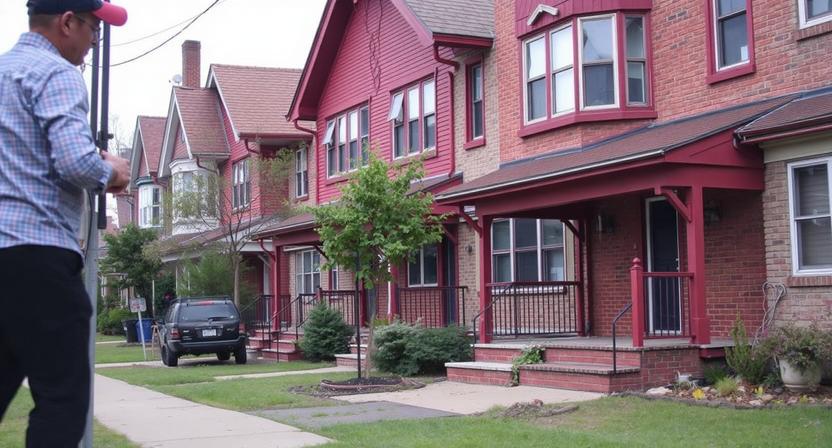



Queens Housing Court Battles: Fighting Back with a Landlord and Tenant Lawyer Near You

FREE CONSULTATION

Call us now at (718) 514-7900

No one logs onto a search engine looking for a legal textbook. When a tenant stops paying rent or a landlord tries to force an illegal lockout, things get incredibly stressful very quickly. The reality on the ground is that New York real estate moves too fast for slow responses, and a single mistake in a housing court filing can set your case back by three solid months.

Navigating the local legal environment requires an understanding of specific rules and regulations. Whether you are dealing with structural maintenance issues in an Astoria pre-war building or managing a non-payment petition for a multi-family property in Flushing, having the right legal support changes everything.

Key Takeaways

  • Local rules dictate everything: New York City housing courts enforce strict procedural deadlines that penalize small administrative errors.
  • Self-help actions fail: Changing locks or cutting off utilities will instantly result in heavy statutory damages against landlords.
  • Documentary evidence wins cases: Certified mailing receipts, explicit ledger entries, and dated photographs form the backbone of successful property dispute resolutions.
  • Early legal review saves thousands: Correcting an invalidly drafted lease notice prevents the entire legal process from being dismissed in court.

What Does a Landlord and Tenant Lawyer Near You Actually Do?

A local property attorney handles the heavy lifting of drafting notices, filing state-mandated lawsuits, and representing your financial interests in local housing courts. The housing laws across the five boroughs are notoriously dense, meaning a single misstep can get your case thrown out by a judge. A qualified attorney protects your investment portfolio or your personal tenancy rights by acting as a shield against aggressive counterclaims.

What Are the Most Common Problems Landlords and Tenants Face?

The vast majority of property disputes stem from uncollected rental balances, broken lease terms, structural maintenance delays, and disagreements over security deposit returns. When communication breaks down completely, these issues turn into formal legal actions. The local housing market is hyper-competitive, which naturally heightens friction between property owners and renters when obligations are ignored.

Structural Friction Categories

  • The Financial Violations: Failing to pay the agreed monthly rent on time damages the landlord’s cash flow and forces the legal process to begin.
  • The Rule Breakers: Keeping unauthorized pets, subletting rooms on short-term apps, or creating chronic noise disturbances violates express lease covenants.
  • The Security Deposit Battles: Retaining deposit funds without providing a fully itemized structural deduction breakdown within 14 days violates state law.
  • The Physical Damage: Ruining hardwood floors, punching holes through drywall, or neglecting basic cleanliness goes far beyond normal wear and tear.
  • The Maintenance Standoffs: Ignoring structural roof leaks, letting mold spread inside walls, or leaving a building without heat during January freezes creates immediate liability.

Finding a reliable landlord and tenant lawyer near you becomes critical when these exact issues show up at your front door.

How Does a Local Housing Attorney Protect Your Rights?

An experienced legal professional builds an airtight case by analyzing your lease framework, issuing valid statutory notices, and standing between you and the opposing party’s legal team. Here is the part most contractors and property owners won’t tell you: standard internet lease forms are completely useless in New York courts. Working with an attorney ensures your paperwork complies with the latest state updates and judicial interpretations.

5 Steps to Resolving Local Property Cases

  1. The Comprehensive Intake and Review
    • Review the exact terms of the original lease agreement.
    • Calculate exact financial arrears using a detailed ledger sheet.
  2. The Valid Notice Delivery
    • Draft the legally precise 14-day rent demand or notice to cure.
    • Serve the paperwork utilizing licensed process servers to prevent service disputes.
  3. The Court Indexing and Filing
    • Purchase an official index number from the civil court clerk.
    • File the petition detailing the exact legal basis for the property action.
  4. The Resolution Negotiation
    • Meet with court attorneys to negotiate a binding stipulation of settlement.
    • Secure an explicit judgment for possession alongside any back rent owed.
  5. The Marshall Eviction Execution
    • Submit the final signed warrant of eviction to the local NYC Sheriff or Marshall.
    • Coordinate the physical recovery of the residential or commercial space safely

FREE CONSULTATION

Call us now at (718) 514-7900

Landlord and Tenant Lawyer near you

Why Is Having Local Court Experience Absolutely Crucial?

Navigating the specific quirks of individual county courthouses requires an attorney who steps foot in those exact buildings every single week. A lawyer from upstate won’t understand how the clerks operate down here, plain and simple. Local legal experience means knowing the local court schedules, understanding how different judges rule on technicalities, and keeping up with municipal building codes.

  • O.C.G.A. § 9-3-33 / RPAPL § 711: The precise statutory mechanisms governing exactly when and how a property owner can maintain a summary proceeding for non-payment.
  • HSTPA Regulations: The sweeping state-level legislative overhauls that fundamentally altered security deposits, notice timelines, and structural eviction rules.
  • HPD Violations: The specific municipal housing code citations that tenants use to legally justify withholding rent payments based on habitability claims.
  • DHCR Registration: The official state division documentation required to prove the legal regulated rent for any rent-stabilized apartment units.

What Steps Are Involved in a Legal Eviction?

A legal eviction requires serving a formal notice, filing a non-payment or holdover petition, winning a court hearing, and securing a formal warrant. Landlords cannot take matters into their own hands under any circumstances. Here is the reality on the ground: the legal process is a strict ladder, and you cannot skip a single rung without falling back to the bottom.

Homeowner Insight: The Danger of “Self-Help” Evictions

Here is a brutal truth: if you change a tenant’s locks, shut off their water, or drag their furniture out to the curb yourself, you have committed an illegal lockout. In our local courts, judges have zero tolerance for this behavior. They will fine you up to three times the tenant’s actual damages, order you to let them back in immediately, and ruin your legal standing. Always use the formal legal system, no matter how frustrated you are.

How Do You Select the Right Legal Team for Your Property?

Choosing the right counsel means looking for explicit flat-fee pricing structures, hyper-local court experience, and an attorney who answers your calls directly. Avoid law firms that treat property disputes like minor side jobs. You need a dedicated advocate who understands that vacant rental properties represent massive financial losses every month.

What Dangerous Mistakes Can Ruin Your Housing Case?

Failing to act immediately, neglecting your property paperwork, and ignoring official court notifications will destroy your legal position. Time is your enemy in property management. The longer you wait to hand a non-paying file over to an attorney, the deeper the financial hole you will have to climb out of.

  • Ignoring Written Notices: Pretending a legal demand doesn’t exist ensures you will lose the case by default.
  • Delaying Professional Advice: Waiting four months while a tenant promises to pay next week wastes valuable court time.
  • Sloppy Record Keeping: Failing to save texts, emails, receipts, and water damage photos leaves you empty-handed in front of a judge.
  • Accepting Partial Payments: Taking a hundred dollars toward a massive past-due balance can accidentally void your active legal notices.
  • Misinterpreting Lease Rules: Operating on old assumptions about security deposits leads straight to statutory penalties.

Ready to Resolve Your Property Battle?

Leaving a property dispute to fix itself is a recipe for heavy financial loss. If you are exhausted due to unpaid balances, broken lease rules, or constant courtroom delays, you need a team that knows exactly how to clear the logjam. At Flatrate Eviction Attorney, we strip away the confusing hourly billing and deliver straightforward legal strategies designed to protect your investment and restore your peace of mind.

Don’t sit back while your property expenses pile up. Contact us to secure your future today. Call to establish control over your real estate assets with a premier landlord and tenant lawyer near me.

Frequently Asked Questions

Q: When should I reach out to a local property lawyer?

A: You should call an attorney the moment a tenant misses a payment deadline or violates a major lease term. Waiting too long allows rental arrears to climb to unrecoverable levels while your court options narrow down.

Q: Can a property attorney help me resolve an eviction case quickly?

A: Yes, a specialized lawyer ensures your notices are served legally to prevent long procedural delays or sudden case dismissals. They manage all courthouse interactions to move your file through the backlogged calendar as efficiently as possible.

Q: What files should I bring to my initial legal consultation?

A: Bring your fully executed lease agreement, a complete rent payment ledger, copies of all texts or emails, and any notices already sent. Having these documents ready lets your attorney evaluate your case strengths instantly.

Q: How much do standard housing court legal services cost?

A: While many firms charge unpredictable hourly fees, we offer transparent flat-rate pricing structures for standard property cases. This approach allows you to plan your legal budget accurately without worrying about unexpected bills.

Q: Why should I prioritize an attorney with specific local court experience?

A: Attorneys who know local borough court clerks navigate specific filing rules and scheduling requirements far more effectively. This local familiarity keeps your case on the fast track while avoiding common clerical errors.


FREE CONSULTATION

Call us now at (718) 514-7900

Does a Lease Terminate at Death of Landlord in Your State?

FREE CONSULTATION

Call us now at (718) 514-7900

When someone searches Does a Lease Terminate at Death of Landlord, it usually means things just got complicated. Maybe the property owner passed away. An executor is suddenly demanding higher rent. Maybe a tenant wonders if they can finally move without penalty.

The problem is simple to ask but tricky to answer. In most states, the lease does not vanish the moment the landlord dies. Instead, the lease becomes part of the landlord’s estate. A new decision-maker steps in, but the agreement usually stays alive.

Before we go further, here is a quick reality check. This article is general information, not specific legal advice. Rules can differ between states and even cities. If a landlord has died and you are unsure what to do, talking with a local eviction lawyer is crucial.

Key Takeaways

  • A lease often survives the landlord’s death and binds the estate or new owner.
  • Tenants usually must keep paying rent under the existing lease terms.
  • Executors and heirs inherit the landlord’s rights but also the landlord’s obligations.
  • Some leases include special clauses about death or early termination.
  • Flatrate Eviction Lawyer helps both landlords and tenants navigate these transitions.

Does a Lease Terminate at Death of Landlord in Most States?

Short answer in many places: no. The lease does not automatically evaporate when the landlord passes. It acts more like a contract that attaches to the property and to the landlord’s estate.

Here is the basic idea.

  • The landlord dies.
  • Their ownership interest passes to an estate, trust, or heir.
  • Whoever steps into that owner role usually steps into the lease as well.

So when you ask Does a Lease Terminate at Death of Landlord, courts often treat the question like, “Who becomes the new landlord?” rather than, “Is there still a lease?”

That means tenants may still owe rent. New owners must still honor key lease terms, including duration, rent amount, and basic habitability duties. The names may change, but the contract often does not.

What Actually Changes When the Landlord Dies?

Even if the lease survives, life does not stay the same. Several practical things have shifted.

Who you pay

Rent payments may go to an estate account, a property manager, a trust, or an heir. Tenants should get a written notice explaining where to send rent now.

Who handles repairs

The duty to maintain habitable conditions does not die with the owner. The estate or successor steps into that role. Tenants should continue to send repair requests in writing, even during the transition.

Who can enter the unit?

Entry rights stay limited by the lease and local law. A new owner cannot just barge in because “things are changing.” They must follow the same notice rules the original landlord followed.

Who can end the lease?

A buyer or heir may want the property vacant. However, in many states, they must respect a valid fixed-term lease unless there is a lawful ground to end it. They cannot normally evict simply because they “inherited” the place.

When Can a Lease Actually End After a Landlord’s Death?

There are situations where a lease can end sooner, but they are more limited than many people assume.

1. The lease is month-to-month

With a month-to-month agreement, either side can usually end the tenancy with proper written notice. A new owner or executor may choose to do that, following state notice rules.

2. The lease itself has a death clause

Some contracts say what happens if either party dies. For example, a clause might allow early termination by the estate or by the tenant within a certain period. These clauses are very fact-specific. They deserve careful legal review.

3. The tenant negotiates an early exit

Sometimes, everyone prefers a clean break. The estate might want the unit empty for sale. The tenant might want flexibility. A written agreement can end the lease by consent. That agreement should spell out move-out dates, deposit handling, and any rent waivers.

4. There is a legal ground for eviction

Nonpayment, serious lease violations, or illegal use of the property can still support an eviction, even after the landlord’s death. The estate or new owner simply becomes the petitioner instead.

So “Does a Lease Terminate at Death of Landlord” is less about magic legal switches and more about how the lease, the law, and the facts intersect.

FREE CONSULTATION

Call us now at (718) 514-7900

Does a Lease Terminate at Death of Landlord

What Should Tenants Do After the Landlord’s Death?

If you are a tenant, the situation can feel unsettling. You may not know who is in charge or what they want. Here are practical steps that usually help.

Stay calm and keep paying rent

Until you get a valid written notice changing instructions, keep doing what the lease says. Stopping rent without a legal reason can backfire.

Ask for written contact information

If someone claims to be the new owner or executor, ask for written proof and contact details. You are allowed to know who manages your home.

Keep everything in writing

Send questions, repair requests, and concerns by email or letter. Written records protect you if disputes arise later.

Review the lease for special language

Look for any clause that mentions death, sale, or early termination. If you see anything confusing, an eviction lawyer can explain how courts in your state usually treat it.

What Should Heirs and Executors Do With Existing Leases?

If you inherited property, you might feel like you landed in the deep end. You want to handle things respectfully, but you also need clarity.

Identify all current leases

Gather the signed agreements, payment histories, and contact information for each tenant. This gives you a baseline.

Notify tenants in writing

Introduce yourself or the estate. Tell tenants where to pay rent and who handles repairs. Clear, early communication avoids fear and rumor.

Honor existing terms where required

In many states, you cannot raise rent overnight or cut a fixed lease short without cause. You step into the landlord’s rights and duties, not a blank slate.

Get legal advice before making big changes

Before you attempt buyouts, terminations, or major rent changes, talk with counsel. Landlord-tenant laws often favor stability. Mistakes can lead to expensive claims.

Does a Lease Terminate at Death of Landlord if the Property Is Sold?

This is a very common twist. The estate sells the building. A new owner appears. Tenants ask whether the sale and the death together free them from their leases.

In many states, a sale does not automatically cancel a valid lease. The new owner takes the property “subject to” existing tenancies. They can become the new landlord with the same rights and the same obligations.

Month-to-month tenants may face notice of non-renewal. Fixed-term tenants often keep their term unless they agree otherwise. As always, the exact rule depends on your state and the contract.

If you are on either side of that sale, and you find yourself Googling “Does a Lease Terminate at Death of Landlord”, it is probably time for a tailored legal opinion.

How Flatrate Eviction Lawyer Helps in These Cases

Death, estates, and housing law create an awkward mix. Everyone may be grieving, but bills still arrive. Tenants still need repairs. Executors must protect estate assets.

Flatrate Eviction Lawyer steps in to:

  • Review leases and any death-related clauses
  • Explain how your state treats landlord death and lease survival
  • Advise heirs on dealing with existing tenants legally
  • Help tenants understand their rights when ownership changes
  • Represent either side in eviction or lease disputes that follow

Because we work on a flat-rate model in many matters, you know your legal cost up front. That predictability helps during an already stressful transition.

Ready to Get Clarity on Does a Lease Terminate at Death of Landlord?

If you still find yourself typing “Does a Lease Terminate at Death of Landlord” into search bars, you probably need more than articles. You need specific advice for your state, your lease, and your facts.

Flatrate Eviction Lawyer can review your agreement, explain your options, and help you choose a strategy that protects your rights and your wallet.

Reach out to Flatrate Eviction Lawyer today to schedule a consultation. Let us answer your questions about landlord death, lease survival, and your next legal step before a small confusion becomes a major lawsuit.

Frequently Asked Questions

Does my lease automatically end when my landlord dies?
Usually no. In many states, the lease continues and binds the landlord’s estate or new owner.

Do I still have to pay rent after the landlord’s death?
Yes, in most situations. You pay under the existing lease until you receive lawful new instructions or a valid termination.

Can a new owner evict me just because they inherited the property?
Not usually. They must follow state eviction laws and respect valid lease terms, especially fixed-term agreements.

What happens to my security deposit if the landlord dies?
The deposit becomes part of the estate’s obligations. The successor owner or executor is usually responsible for handling returns and deductions under local law.

Should I talk to a lawyer if the landlord dies and there is confusion about my lease?
Yes. A short consultation can clarify your rights, reduce conflict, and prevent costly mistakes for both tenants and heirs.

FREE CONSULTATION

Call us now at (718) 514-7900

What Constitutes Landlord Harassment in New York

FREE CONSULTATION

Call us now at (718) 514-7900

One of the worst things that a tenant could experience is getting harassed by their landlord for whatever reason. Thus, learning what constitutes landlord harassment empowers you to stop bad behavior and secure your housing rights immediately.

The good news is that you don’t have to handle this stress alone.  Flatrate Eviction Lawyer is here to help you with your legal challenges. We provide the clear information you need to handle difficult situations with confidence. 

Key Takeaways

  • New York tenants hold a legal right to quiet enjoyment
  • Harassment covers actions intended to scare or push occupants out
  • Cutting essential services ranks among the most serious violations
  • Patterns of bad-faith behavior often define unlawful conduct
  • Strong records paired with fast reporting improve protections

What Are Your Basic Rights as a Tenant?

State law in New York offers firm safeguards. Every renter holds a guarantee known as quiet enjoyment. In practice, that protection limits interference unless a valid legal purpose exists. Privacy and peace must remain intact.

Aggressive behavior from a property owner can feel intimidating. Even so, courts treat these disputes with gravity. Rent payments secure a safe, livable home. Comfort and security come with that exchange, regardless of what anyone claims.

Examples below show when conduct shifts from irritating to illegal territory.

Different Kinds of Physical Intimidation and Direct Threats

Some owners rely on fear to force departures. Such tactics violate the law outright. Watch for behaviors like those listed here.

  • Destruction of personal property. Your landlord breaks your belongings on purpose. They might damage your furniture or electronics to scare you.
  • Changing locks without keys. The building owner changes the locks on your front door. They refuse to give you the new key. This locks you out of your own home.
  • Removing apartment doors. They take the front door off your apartment. This leaves you unsafe and exposed. It destroys your privacy completely.
  • Blocking the entrance. The landlord or their employees stand in your way. They physically stop you from entering your building or your unit.
  • Verbal threats of violence. The owner says they will hurt you. They might yell or scream at you in the hallways. This creates a hostile living environment.

Interruption of Essential Services

Housing providers must supply core services under the law. Shutting utilities off as leverage crosses a clear line. Heat or water cuts, whether for savings or annoyance, qualify as harassment.

Many residents ask what constitutes landlord harassment in the winter. Disabling heat during cold weather counts as a severe breach because seasonal requirements apply. Electricity interruptions fall under the same prohibition since power supports basic living needs.

Hot water shutdowns follow a similar pattern. Bathing and cleaning depend on access. When service stoppages aim to push someone out, city agencies can step in immediately.

Abuse of the Right to Access

Entry rights exist, yet limits matter. Repairs allow access only within clear boundaries.

  1. Entering without proper notice

    Unlocking doors unexpectedly, especially during private moments, violates privacy.
  2. Visiting at unreasonable hours

    Late-night demands or dawn visits fall outside acceptable repair windows.
  3. Conducting unnecessary inspections

    Frequent check-ins without cause become disruptive rather than legitimate.
  4. Taking photos of your belongings

    Images of personal items taken beyond repair need to cross ethical lines.
  5. Allowing others to enter

    Bringing unfamiliar visitors inside without notice ignores tenant consent.

FREE CONSULTATION

Call us now at (718) 514-7900

what constitutes landlord harassment

What Constitutes Landlord Harassment Regarding Legal Records?

Misuse of courts represents another pressure tactic. False filings aim to intimidate rather than resolve disputes. Claims for already-paid rent appear in some cases.

Altering or inventing records escalates misconduct. Allegations about service of papers, payment dates, or credit reporting sometimes lack truth. The goal often involves limiting future housing options through damaged credit.

Maintaining independent documentation matters. Receipts, correspondence copies, and notices reveal inconsistencies. Judges rely on that evidence, so keep the proof intact.

Pressure to Accept Buyout Offers

Clearing buildings can increase profits, prompting cash offers for early departure. Acceptance remains optional.

Repeated contact after refusal meets the definition of what constitutes landlord harassment under city standards. Daily calls, workplace visits, or continued messaging cross boundaries once a decision stands.

Door knocks, misleading claims about neighbors, or eviction threats often accompany this pressure. Leases remain valid, and moving stays a personal choice.

Discrimination and Unfair Treatment

Certain groups face targeting more often. Such conduct violates fair housing rules.

  1. Refusing repairs based on race

    Maintenance appears selective, ignoring requests tied to the background.
  2. Insulting language regarding religion

    Mockery or offensive remarks about beliefs signal unlawful bias.
  3. Sexual harassment and comments

    Repair access conditioned on favors or appearance-based remarks breaks the law.
  4. Refusing access to common areas

    Shared amenities become restricted without a legitimate justification.

Steps to Take When You Face Harassment

Action matters once boundaries get crossed. Begin with written notes capturing each incident, including dates, times, and descriptions.

Service interruptions warrant a 311 report so inspectors can respond and issue penalties. A formal cease letter sent by certified mail creates a record of notice. Tenant advocacy groups guide no cost. Legal counsel may become necessary, especially when court orders are needed to stop ongoing behavior.

Lawyer Up If You Feel Harassed

Unlawful conduct has no place inside a home. Tenants deserve stability without intimidation.

You now understand what constitutes landlord harassment and how warning signs appear. Fear should not dictate choices. Protecting family and housing starts with informed action. Reach out to Flatrate Eviction Lawyer for a consultation today.

Frequently Asked Questions

  1. Can I stop paying rent if my landlord harasses me?
    You should generally continue paying rent. Withholding rent can lead to eviction cases. You should consult a lawyer before deciding to stop any payments.
  2. Does a single phone call count as harassment?
    One phone call usually does not count as harassment. The behavior normally needs to happen repeatedly. However, a single severe threat of violence violates the law immediately.
  3. Where do I report my landlord for harassment?
    You can report harassment to the New York State Division of Homes and Community Renewal. You can also file a complaint in Housing Court effectively.
  4. Can my landlord enter my apartment when I am not home?
    They can enter for genuine emergencies like a fire or flood. For standard repairs, they must give you notice and get your permission first.
  5. What evidence do I need to prove harassment?
    You need photos of damage and copies of emails. You should also keep a detailed diary of dates and times. Witness statements help your case significantly.

FREE CONSULTATION

Call us now at (718) 514-7900

Can a Landlord Say No Overnight Guests on Their New York Property?

FREE CONSULTATION

Call us now at (718) 514-7900

Having guests around is pretty normal, even for those who are just renting. But can a landlord say no to overnight guests? Can they stop you from letting a friend or relative sleep over? 

Here’s the TLDR: it’s generally a NO, they can’t. But there may be a few exceptions to this rule. Flatrate Eviction Lawyer is here to explain to you your rights as a tenant when it comes to having guests in your rented apartment. 

Key Takeaways

  • New York tenants have broad rights to host overnight guests 
  • Quiet enjoyment protects reasonable social visits in rented homes 
  • Lease clauses banning guests are usually unenforceable under state law 
  • Guests can become tenants if their stays extend too long 
  • Documentation helps defend against harassment or false residency claims

The Right to Quiet Enjoyment

NY law gives tenants a powerful shield known as “quiet enjoyment.” Signing a lease makes that apartment your home, legally speaking. You get to use it reasonably. Friends or partners coming over fall under that umbrella. Landlords cannot act like college dorm RAs checking people in and out. They signed away that control upon renting the unit.

This right isn’t absolute, though. Neighbors shouldn’t suffer because of visitors. Playing drums at 2:00 AM gives the owner a valid reason to complain. That issue is noise, however, not the person staying there. If guests act respectfully, the landlord generally can’t say a thing.

New York’s “Roommate Law” Explained

Real Property Law 235-f, the “Roommate Law,” protects you. Courts use it for overnight guests even if the text primarily targets permanent cohabitants. Leases cannot limit occupancy to just the tenant and immediate family. This prevents owners from micromanaging who shares your space.

Property managers still try to slip restrictive rules into contracts. They hope tenants lack legal knowledge. Clauses saying “no overnight guests” or demanding fees often appear. Judges usually call these “void against public policy.” Even with a signature, that rule likely won’t hold up in court.

Can a Landlord Say No Overnight Guests in NYC?

No is the usual answer. State statutes favor tenants when asking can a landlord can say no to overnight guests. Owners don’t get total control just because they hold the deed. Demanding guest names or extra cash for the night is generally illegal.

Guests aren’t unauthorized tenants. They have their own residence and stay briefly. Evicting you for having a partner over on weekends is a losing battle for landlords. Courts see visits as normal life. Unless a lease bans dangerous acts, banning people just because of personal dislike is a no-go.

Situations Where Restrictions Do Apply

Exceptions exist. Government housing or safety codes can override the general rule.

  1. Public Housing (NYCHA): Rules here are stricter. NYCHA often requires registering guests and limits the days they stay.
  2. Supportive Living Facilities: Halfway houses or SROs often restrict visitation to keep residents safe and sober.
  3. Fire Codes and Overcrowding: Exceeding legal occupancy limits based on square footage gives the landlord the right to stop hosting.

FREE CONSULTATION

Call us now at (718) 514-7900

Can a Landlord Say No Overnight Guests

How a Guest Becomes a Tenant

Letting someone stay too long is risky. In NYC, 30 consecutive days can turn a visitor into a legal resident. Removing them becomes a nightmare.

  • The 30-Day Mark: Hitting this limit means you can’t just kick them out; court eviction might be needed.
  • Receiving Mail: Bills arriving at your address make you look like a permanent occupant.
  • Possession of Keys: Giving them a set implies open access, blurring the line between visitor and roommate.

Best Practices for Hosting Guests

Avoid drama with common sense. Being considerate stops complaints before they start.

  • Control Noise Levels: Keep it down. Loud parties invite trouble fast.
  • Common Areas: Guests shouldn’t hang out in lobbies or hallways. They should go straight to your door.
  • Communication: Tell the manager if a friend needs a week for an emergency. It prevents confusion, even if not legally required.

Why Some Leases Still Have Bans

Seeing a ban in your contract is confusing, given the law. “Scare clauses” are common. Owners bet on fear rather than legal verification. They assume most people won’t hire a lawyer.

Ink on paper doesn’t make a law. Statutes win over contracts in New York. Clauses violating basic rights are trash. Read carefully, though. Ask to remove such text before signing. If it’s too late, know it probably can’t be enforced if no other rules are broken.

Handling Harassment from Your Landlord

Intimidation tactics happen. Questioning guests in the hall or threatening eviction is unprofessional. It is often illegal, too. NY takes harassment seriously, giving you ways to fight back.

Hostility over guests violates quiet enjoyment. Don’t shout back. Calmly state your rights to have visitors. If behavior continues, file a formal complaint with the DHCR. Adults shouldn’t be monitored like children.

Documentation is Your Best Defense

Start writing things down if trouble brews. Logs win legal fights. They replace “he said, she said” arguments with facts a judge understands.

Track when people visit. Keep texts where the landlord complains. Write down details of face-to-face confrontations immediately. This proof matters if they claim your guest lives there. Showing sporadic visits protects your case.

Protecting Your Home and Rights

When asking can a landlord say no overnight guests, remember privacy matters.NY life is expensive, so you want to get the most out of your rented domicile. Fortunately, the law backs a social life that includes sleepovers. However, don’t forget to respect your neighbors.

Push back if management keeps pressing that it’s not permitted. Get legal advice from Flatrate Eviction Lawyer and don’t let fear dictate how you use your paid space. 

Frequently Asked Questions

  1. Can my landlord charge a fee for overnight guests?

No, extra fees for visitors in standard rentals are generally banned. It restricts quiet enjoyment, and courts rarely enforce it.

  1. Does the 30-day rule apply if my guest pays me rent?

Money changing hands creates a landlord-tenant relationship immediately. Different legal procedures apply then.

  1. Can I have a guest if I live in a rent-stabilized apartment?

    Yes, protections are strong. One roommate plus immediate family usually requires no permission.
  2. Can a landlord ban a specific guest they dislike?

    Generally, no. Unless that person caused damage or broke the law, personal preference allows no bans.
  3. What should I do if my landlord changes the locks?

    That is an illegal eviction. Call the police and a lawyer. Court orders are needed to lock you out.

FREE CONSULTATION

Call us now at (718) 514-7900

What Happens If Your Landlord Dies While You’re Renting?

FREE CONSULTATION

Call us now at (718) 514-7900

As a renter, losing your property owner can be quite a confusing time. Thus, learning what happens if your landlord dies allows you to secure money and a place to stay during the transition. 

This guide from Flatrate Eviction Lawyer empowers tenants with the right steps to avoid illegal eviction or financial loss. 

Key Takeaways

  • Your lease remains valid even after a landlord’s death
  • Keep paying rent or set it aside responsibly
  • Document everything: lease, payments, property condition, communications
  • Only deal with verified executors or legally authorized new owners
  • Know eviction, deposit, and repair laws to protect yourself

Do Not Stop Paying Your Rent

Many renters feel the urge to pause payments when an owner passes away. Thinking no one watches the accounts is a risky gamble. Your lease stays valid even after a death occurs. Skipping due dates gives new management a valid legal reason to kick you out. 

Instead, set those funds aside if the payee remains unknown. Open a specific savings account just for housing costs. Keep the cash there until official instructions arrive. This habit proves to a judge that you intend to pay. It shows responsibility on your part. Saving the money shields you from lawsuits. Always demand a receipt once you finally hand over the cash.

The Lease Agreement and What Happens If Your Landlord Dies

Tenants often fear their contract ends along with the life of the proprietor. Laws usually say the agreement rides with the land. That signature you provided stays binding. A new landlord must honor every term previously agreed upon. They cannot hike the price just because ownership changed hands. Adjusting the expiration date is also forbidden. You hold the right to remain inside the house until the term finishes. This safety net covers month-to-month deals and annual commitments alike. The inheritor steps into the previous owner’s shoes. They take on the building and all attached duties. Store a physical copy of the paperwork somewhere safe. You will need it to verify rights to incoming management.

Important Steps You Should Take Immediately

Acting fast protects your interests. Family squabbles over assets can make things messy. Specific moves help you stay organized.

  • Dig up the current rental contract. Find the paper version and scan a digital file too.
  • Gather all payment history records. Collect bank statements showing past transfers and find old receipts.
  • Snap photos of the whole property. Capture clear images of every room, wall, and floor condition.
  • Switch up how you communicate. Stop texting the deceased person’s phone and use certified mail instead.

Confirm the new contact’s identity. Demand legal proof before talking to anyone claiming a charge.

Understanding the Probate Process

Properties enter a legal phase called probate after a death. The court system decides who gets the assets. A judge appoints an administrator or executor to handle the estate. You will likely deal with this person for a while. Confusion spreads regarding what happens if your landlord dies and who owns the building then. The “Estate of [Name]” technically becomes the boss during this gap. Executors hold the power to collect dues and fix breaks. Treat them with the same respect shown to the original proprietor. This legal period might last months or years. Remain patient and keep detailed logs the whole time.

How to Protect Your Security Deposit

That security fund is another big worry. Money given to a landlord does not become theirs. It stays yours. Laws force owners to hold these funds in isolated accounts. The estate must return this cash when you leave.

  • Locate the proof of payment. Find the document showing the exact amount paid.
  • Demand an update on the account. Ask the executor where the funds sit currently and get it in writing.
  • Check the house condition personally. Walk through the place before moving and compare it to early photos.
  • Supply a forwarding address. Send the new administrator your next location via certified mail.

FREE CONSULTATION

Call us now at (718) 514-7900

What Happens If Your Landlord Dies

Dealing with Heirs and New Owners

Pressure might come from the deceased’s family. Heirs often want to sell quickly for cash. Some wish to move in themselves. Others lack experience managing rentals. This inexperience leads to fights or ignored maintenance. Uncertainty clouds what happens if your landlord dies when pushy relatives get involved. Remember that inheritors cannot eject you instantly. They must follow eviction rules to regain possession. Proper notice is mandatory. Changing locks or tossing items out is illegal. Tell them to speak with a lawyer if harassment starts. Stand firm on the rights written in your contract.

Warning Signs of Potential Scams

Crooks watch obituaries to find victims. They know renters feel shaky when an owner dies. Bad actors try to trick people into paying them. Stay sharp to keep your cash safe.

  • Be wary of random visitors. Doubt strangers showing up demanding rent and ask for ID fast.
  • Skip cash requests. Real executors ask for checks; refuse anyone insisting on paper money.
  • Check for legal authority. “Letters Testamentary” or court papers prove the person can manage the place.
  • Inspect email addresses. Scammers use unprofessional free accounts, so verify the sender first.
  • Reject high-pressure moves. Legitimate owners won’t threaten immediate removal for asking questions.

Navigating Repairs and Maintenance

Maintenance gets tricky during the handoff. An executor might not know which plumber the owner preferred. They often hesitate to spend estate funds. You still deserve a livable home. The law never pauses just because a death has happened. Continue reporting breaks in writing. Send these notes to the designated contact. Save a copy of every request sent. You might need to fund urgent fixes personally if they ignore calls. Deduct that cost from the rent later in certain states. Verify local rules before doing this. Hold onto receipts for any work performed. This evidence proves the cash went into the property.

Stay Calm and Know Your Rights

You now grasp what happens if your landlord dies and how to navigate the mess. Staying calm is vital. Avoid panic or rash choices. The lease acts as a shield. The law stands on your side. Continue paying rent into escrow if needed. Record every chat with the family. Keep the house clean and tidy. You show value as a tenant this way. Good renters are assets to new owners. A strong relationship with management might grow. Stick to facts and guard your paperwork. You will survive this transition. Reach us at Flatrate Eviction Lawyer for more information.

Frequently Asked Questions

Does my lease end automatically when my landlord dies? 

No. The contract stays valid. New owners of the estate must honor existing terms until the agreement expires naturally.

Who do I pay rent to after the landlord dies? 

Pay the estate executor. If none exists yet, save the money in a separate account until the court appoints someone.

Can the new owners raise my rent immediately? 

No. Rent cannot go up until the current lease finishes. They must wait for the contract to end before changing prices.

What happens to my security deposit? 

That money transfers to the new owner. The estate holds legal responsibility for returning the funds when you eventually move out.

Can the heirs kick me out to sell the house? 

No. They must wait for the lease to expire. Proper legal notice is required before ending any tenancy.

FREE CONSULTATION

Call us now at (718) 514-7900

Can a Landlord Legally Refuse an Emotional Support Animal?

FREE CONSULTATION

Call us now at (718) 514-7900

When people Google Can a Landlord Legally Refuse an Emotional Support Animal?” they’re usually already stressed. Maybe a landlord just said “no pets,” even after seeing an ESA letter. Maybe you are the landlord, and you are worried about damage, allergies, or other tenants. Either way, you are dealing with disability rights, fair housing rules, and real emotions, all at once.

This area of law is not just about pets. It is about whether an animal qualifies as a reasonable accommodation for a person with a disability. That is a very different category from a regular pet policy.

Before we go further, one important note. This article is general information. It is not legal advice for your exact situation. ESA rules can vary by state and by specific facts. Talking with a housing or eviction lawyer is always the smart move.

Key Takeaways

  • Emotional support animals are not treated as regular pets under many housing laws.
  • Landlords often must consider an ESA request as a disability accommodation.
  • A landlord may refuse only in limited situations, such as undue hardship or direct threat.
  • Tenants must provide proper documentation and act reasonably.
  • Flatrate Eviction Lawyer helps both landlords and tenants navigate ESA disputes.

1. Emotional support animals versus pets and service animals

To understand “Can a Landlord Legally Refuse an Emotional Support Animal?”, you need to separate three ideas.

Pets

These are animals kept for companionship. They have no special legal status. Your lease can say “no pets,” and usually that is allowed.

Service animals

These animals are trained to perform specific tasks for a person with a disability. Think guide dogs or seizure alert dogs. They have strong protections, especially in public places.

Emotional support animals

ESAs are different. They do not need specialized training. Their role is to provide comfort, stability, or emotional support that helps with a mental or emotional disability.

In the housing context, ESAs can qualify as a reasonable accommodation. That means a landlord may need to bend normal rules, like no-pet clauses or pet fees.

2. When Does “Can a Landlord Legally Refuse an Emotional Support Animal?” Become a Real Legal Question?

This question becomes real the moment a tenant says something like:

“I have an emotional support animal. I need an exception to your no-pet policy because of my condition.”

At that point, several legal duties can arise for the landlord, depending on the jurisdiction. Typically, those duties include:

  • treating the request as a disability accommodation request
  • engaging in an interactive process in good faith
  • reviewing documentation that supports the need for the ESA

The tenant, on the other hand, has obligations too. They must:

  • show that they have a qualifying disability
  • show that the ESA helps with symptoms or functioning
  • provide reasonable documentation, often from a licensed professional

So the legal question usually is not “pets or no pets.” It is whether the landlord fulfilled housing law duties and whether the tenant supported the request properly.

3. When Can a Landlord Say “No” to an ESA Request?

The answer to “Can a Landlord Legally Refuse an Emotional Support Animal?” is not always “never.” Landlords do have rights. However, the list of valid reasons to refuse is limited.

Common lawful reasons can include:

The animal creates a direct threat

If an animal has shown dangerous behavior that cannot be reduced by reasonable steps, a landlord may refuse. For example, a dog that has attacked other tenants.

Undue financial or administrative burden

If allowing the ESA would create significant, verifiable hardship for the landlord or property, refusal may be justified. This is a high bar, not a simple inconvenience.

Fundamental change to the housing

If approving the ESA would fundamentally alter the nature of the housing service, the landlord may argue against it.

No actual disability or need

If the documentation is clearly fake or no link exists between the animal and the disability, the landlord can challenge the request.

In every situation, the details matter. Courts and agencies look closely at the evidence. A quick “no” based on personal dislike of animals is not enough.

4. What Documentation Can a Landlord Request?

Landlords often feel stuck. They want to follow the law, but they also worry about fake online ESA letters. So what can they legally ask for?

They usually may request:

  • confirmation that the tenant has a disability covered by housing laws
  • confirmation that the ESA helps with that disability in some meaningful way

They typically may not demand full medical records or ask for specific diagnoses in intrusive detail. Many areas allow verification from licensed mental health professionals, doctors, or similar providers.

As a landlord, you should handle this process carefully. As a tenant, you should provide honest, clear documentation from a qualified professional, not a random website that prints certificates in ten seconds.

FREE CONSULTATION

Call us now at (718) 514-7900

emotional support animal

5. Common Mistakes Landlords Make With Emotional Support Animals

Here is where things often go sideways.

Refusing instantly because of a no-pets policy
That policy might need to flex for an ESA request. Housing laws can require exceptions.

Charging pet rent or pet deposits for ESAs
Many jurisdictions prohibit extra pet fees for ESAs used as reasonable accommodations. Damage can still be charged later, but not preemptive “ESA rent.”

Delaying responses too long
Ignoring a request or dragging it out can be treated like a denial. Timely, documented responses are safer.

Harassing or retaliating against a tenant
Raising rent, threatening eviction, or making life harder because of an ESA request can lead to serious legal trouble.

Flatrate Eviction Lawyer often sees these errors in disputes. Much of this could be prevented with the right guidance early.

6. Common Mistakes Tenants Make With ESA Requests

Tenants are not always perfect either. A few missteps can hurt otherwise valid claims.

Moving the animal before making any request
Surprisingly, the landlord can cause mistrust. It is better to ask first when possible.

Using weak or suspicious documentation
Quick online forms that do not involve real evaluation can backfire. Landlords, courts, and agencies see them often.

Refusing all communication
Tenants should participate in the interactive process. Simple, calm answers go a long way.

Letting the animal cause damage or disturbance
Even ESAs must follow basic rules. Animals that bark constantly, destroy property, or threaten others can lose protection.

When problems build, both sides often feel wronged. That is usually when lawyers enter the picture.

7. How does Flatrate Eviction Lawyer help with “Can a Landlord Legally Refuse an Emotional Support Animal?”

Our firm works with both landlords and tenants. We see the entire field, not just one side.

For landlords, we help:

  • Design ESA request procedures
  • Review documentation for compliance
  • Advice on when a refusal is defensible
  • Defend against claims of discrimination

For tenants, we:

  • Review lease language and policies
  • Evaluate whether facts support an ESA claim
  • Help respond to refusal letters
  • Raise ESA issues as defenses in some eviction cases

Because we use a flat-rate structure in many matters, you know what you pay up front. That clarity helps when stress is already high.

8. When Should You Call a Lawyer?

You should reach out when:

  • A landlord has refused an ESA request, and you believe it was unfair
  • You are a landlord facing multiple ESA requests and feel unsure
  • An eviction case has ESA issues mixed in
  • There are accusations of discrimination or retaliation

These are not “do it yourself” matters. Mistakes here can lead to damages, penalties, or lost housing. A short consultation can prevent long fights.

9. Time to Get Answers About “Can a Landlord Legally Refuse an Emotional Support Animal?”

If you are wrestling with “Can a Landlord Legally Refuse an Emotional Support Animal?” you should not guess. The stakes involve housing, disability rights, and legal risk.

Flatrate Eviction Lawyer can review your lease, your documents, and your specific facts. Then we can explain your options in plain English, not legal jargon.

Reach out today to schedule a consultation. Get clear guidance on emotional support animals, your rights, and your next step before things escalate.


Frequently Asked Questions 

Do emotional support animals count as pets under a no-pet policy?

Often they do not. Many housing laws treat ESAs as disability accommodations rather than ordinary pets.

Can a landlord charge pet rent for an emotional support animal?

Many jurisdictions do not allow extra pet rent or deposits for ESAs. However, tenants can still be charged for actual damage.

Can a landlord ask for proof of disability for an ESA?

They can usually request limited verification that a disability exists and that the ESA helps. They cannot demand full medical records.

What happens if a landlord wrongly refuses an ESA?

They may face discrimination claims, complaints to housing agencies, or defenses in eviction cases. Legal consequences can be serious.

Can a landlord ever remove an approved emotional support animal?

Yes, in some cases. If the animal poses a direct threat, causes major damage, or cannot be controlled, removal may be allowed, but the facts need careful legal review.

FREE CONSULTATION

Call us now at (718) 514-7900