


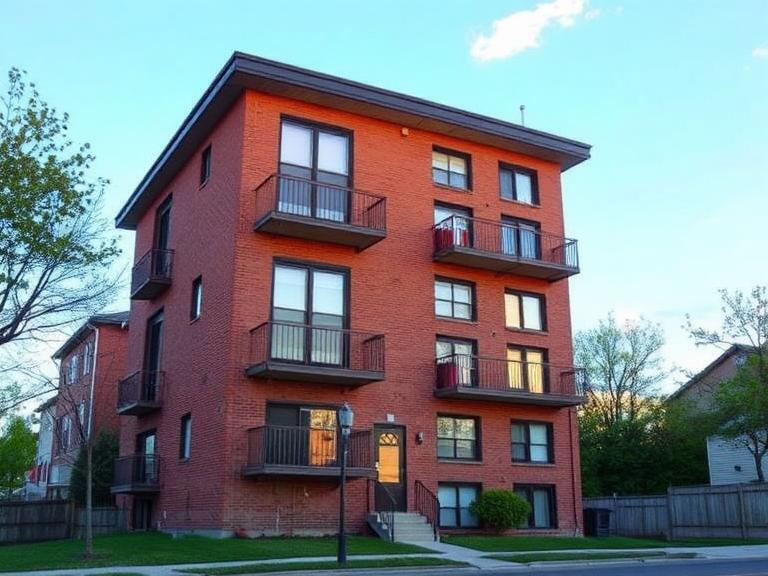
What Is a Lease Buyout Apartment and How Does It Work?

FREE CONSULTATION

Call us now at (718) 514-7900

Moving offers show up in all kinds of ways. Sometimes it is a polite email. Sometimes it is a knock at the door and a “we’d like to talk about your lease.” If you are suddenly hearing numbers to leave early, you are probably wondering what is going on and whether you are being treated fairly. That is where the phrase “what is a lease buyout apartment” comes in. Landlords, developers, and even management companies use lease buyouts to clear units without filing formal eviction cases. Tenants hear dollar amounts and short deadlines and feel pressure to decide fast.

This piece explains how these deals usually work, why they happen, and how a lawyer can help you negotiate or say no safely. It is legal information only, not personal legal advice, and rules vary by city and state.

Key Takeaways

  • A “What Is a Lease Buyout Apartment” deal is a payment for your agreement to move and give up rights.
  • Lease buyouts can be legitimate tools or pressure tactics, depending on how they are handled.
  • You should always get terms in writing and never rely on promises alone.
  • Tenants and landlords both benefit from clear, lawyer-reviewed agreements.
  • Flatrate Eviction Lawyer helps evaluate and negotiate lease buyouts on flat and predictable fees.

What Is a Lease Buyout Apartment and Why Do Landlords Use It?

At its core, a What Is a Lease Buyout Apartment arrangement is simple. The landlord offers money or other benefits. You agree to move out and surrender the apartment, usually by a specific date.

Why would an owner do this instead of waiting for the lease to end?

Common reasons include:

  • Plans to renovate or convert the building 
  • Interest in bringing rents up to current market rates 
  • The sale of the property that requires empty units 
  • Desire to avoid lengthy eviction procedures 

From the landlord’s view, a buyout can save time, legal fees, and uncertainty. From your view, it might offer cash that helps with moving costs or new deposits. The key question is whether the amount compensates you fairly for what you give up.

How Does a Lease Buyout Apartment Usually Work in Real Life?

There is no single script. However, many What Is a Lease Buyout Apartment situations follow a pattern.

First, there is contact. Management reaches out and asks to “discuss your tenancy.” The offer may start vague. You might hear phrases like:

  • “We can help with moving expenses.” 
  • “You would not have an eviction on your record.” 
  • “We are prepared to be generous if you cooperate.” 

Next, you hear an actual number. Sometimes the figure sounds high at first. Sometimes it sounds insultingly low. Either way, you are being asked to trade your legal right to stay for money now.

After that, there should be a written agreement. It will address:

  • Move-out date 
  • Payment amount and timing 
  • What happens if either side does not perform 
  • Release of claims or future lawsuits 

If there is no detailed writing, you should be extremely cautious. Verbal promises in this context are very hard to enforce later.

Finally, there is performance. You move out by the deadline. The landlord pays as promised. Keys are exchanged. Ideally, everyone walks away with fewer headaches.

What Questions Should You Ask Before Accepting a Lease Buyout?

Before signing anything, you should slow down and ask hard questions. Here are a few that matter in every What Is a Lease Buyout Apartment conversation.

  • How much rent would you pay if you stayed until the lease ends? 
  • Are there local rent control or stabilization rules that protect you? 
  • How long would an eviction case likely take in your area? 
  • What are your realistic moving and deposit costs? 
  • Does the agreement release possible claims you might have now? 

These questions matter because a buyout is not “free money.” It is payment for rights. Those rights have real value, especially in high-demand markets or regulated buildings.

Talking with a lawyer can help you understand whether the offer matches the value of what you give up.

What Should a Solid Lease Buyout Agreement Include?

A strong agreement is clear, specific, and balanced. It should not leave key points to guesswork.

Most solid documents include:

  • Full names of all tenants and the owner or landlord entity 
  • The exact unit and address 
  • A firm move-out date and time 
  • Payment amount, method, and date 
  • What happens if payment is late or missing 
  • How utilities, keys, and access will be handled 
  • Any agreement about the security deposit 
  • A description of the claims each side is releasing 

You might also see confidentiality clauses. Those clauses might limit what you can say about the deal to others. You might see language about “no admission of liability,” especially if there were condition issues or past disputes.

If you do not understand a sentence, that sentence needs attention before you sign.
FREE CONSULTATION

Call us now at (718) 514-7900

what is a lease buyout apartment.

What Risks Exist for Tenants in a Lease Buyout Apartment Deal?

There are real risks in every What Is a Lease Buyout Apartment situation. Some are obvious. Some are subtle.

The big ones:

  • You move, and then the payment never comes.
  • You sign away possible claims about past landlord behavior.
  • You discover later that neighbors got much higher amounts.
  • You underestimate how much it costs to relocate in your city.
  • You leave a rent-regulated or stabilized unit without realizing it.

Once you sign and move, undoing the agreement becomes very difficult. Courts often respect clear written contracts, even if you now regret the number.

That is why reviewing the deal with counsel before you commit can prevent expensive surprises.

Are There Risks for Landlords in Lease Buyout Arrangements?

Landlords face their own set of risks here.

They risk:

  • Claims of harassment or illegal pressure 
  • Accusations of discrimination if offers vary in unfair ways 
  • Disputes about promised payments 
  • Challenges that the agreement was unclear or one-sided 

A well-drafted What Is a Lease Buyout Apartment agreement helps them too. It can prevent double payment claims, clarify timelines, and reduce the chances of later lawsuits.

Using a flat-fee lawyer to prepare or review standard forms often costs far less than defending a future case.

How Can a Flatrate Eviction Lawyer Help With a Lease Buyout?

Flatrate Eviction Lawyer works with both tenants and landlords in these situations. That broad view helps us spot risks on both sides.

For tenants, we can:

  • Review proposed agreements 
  • Explain what rights you give up 
  • Help negotiate better terms or more time 
  • Flag red-flag clauses like overbroad releases 

For landlords, we can:

  • Draft repeatable buyout templates 
  • Advice on fair and legal negotiation practices 
  • Reduce harassment or discrimination exposure 
  • Handle disputes if a buyout goes wrong 

Our flat-rate structure means you know the cost of advice before you decide. That matters when time pressure and money stress already feel heavy.

Ready to Talk About Your What Is a Lease Buyout Apartment Situation?

If you are staring at a buyout offer and wondering whether to sign, you do not have to guess. A What Is a Lease Buyout Apartment deal can be a smart exit or a serious mistake, depending on details.

Flatrate Eviction Lawyer can look at your lease, the offer, and your local rules. Then we can help you decide if you should negotiate, sign, or walk away.

Reach out to Flatrate Eviction Lawyer today to schedule a consultation. Get clear guidance on your What Is a Lease Buyout Apartment options before you make a decision you cannot easily undo.


Frequently Asked Questions 

1. Is a lease buyout the same as cash for keys?

They are closely related. Both involve payment for a voluntary move-out. Terms and formality can differ.

2. Do I have to accept a lease buyout offer?

No. These deals are generally voluntary. You can say no, counter, or ask for legal review.

3. Can a landlord threaten eviction if I refuse a buyout?

They may still use lawful eviction grounds. However, they cannot harass or illegally pressure you into signing.

4. Will a lease buyout affect my rental history?

Handled correctly, a buyout often looks better than an eviction. The exact impact depends on what you agree to in writing.

5. Should I get a lawyer before signing a lease buyout?

Yes. A short review can protect important rights and help you understand the real value of the deal.

FREE CONSULTATION

Call us now at (718) 514-7900

How Long Before Property Is Considered Abandoned in New York

FREE CONSULTATION

Call us now at (718) 514-7900

When someone types “How long before property is considered abandoned in New York” into a search bar, they usually want a simple answer. Maybe a tenant disappeared, left furniture and mail, and has not paid rent. Maybe you are the tenant, and you moved out in a hurry, and now you worry about your things.

Here is the hard truth. New York law does not give one magic number of days for every situation. Abandonment depends on facts, notice, and what the parties do next. That is exactly why these cases turn into lawsuits so often.

This article walks through how New York treats “abandoned” rental units and belongings, what landlords should do, and how tenants can protect themselves. It is information, not individual legal advice. For real answers on your exact situation, you should speak with a New York eviction lawyer.

Key Takeaways

  • Abandonment in New York depends on conduct and evidence, not a single fixed day count.
  • Courts look at nonpayment, vacancy, removal of belongings, and lack of contact together.
  • Left-behind property must be handled carefully, with notice and documentation
  •  Landlords also have a duty to mitigate damages after abandonment under Real Property Law 227-e.
  • Flatrate Eviction Lawyer helps landlords and tenants sort out abandonment disputes before they explode.

How Long Before Property Is Considered Abandoned in New York, Really?

The short legal answer is uncomfortable. There is no single statewide rule that says “after X days, a unit is abandoned.”

Instead, New York relies on:

  • the written lease terms, if they address abandonment
  • court decisions applying general landlord-tenant principles
  • related statutes about abandonment and mitigation of damages

When courts or agencies decide if a tenant abandoned a unit, they usually look at:

  • unpaid rent over a period of time
  • removal of most personal belongings
  • keys returned, locks changed, or utilities shut off
  • no response to calls, emails, or written notices
  • statements from neighbors or building staff

So “How Long Before Property Is Considered Abandoned in New York” is less about a calendar and more about a pattern. The longer the unit sits empty with no rent and no contact, the stronger an abandonment argument becomes.

At the same time, acting too early can expose a landlord to claims of illegal eviction or conversion of property. That balance is where legal advice matters.

What Factors Decide How Long Before Property Is Considered Abandoned in New York?

Think in terms of three buckets:

  1. The rental unit itself.
  2. The tenant’s personal belongings.
  3. The landlord’s conduct once they suspect abandonment.

1. Signs the unit is truly abandoned

New York courts tend to treat a place as abandoned only when several signs line up, for example:

  • The tenant has not paid rent for months
  • The tenant stopped sleeping there and removed most items
  • Neighbors confirm the move-out
  • Mail piles up or gets returned
  • The landlord’s written notices go unanswered

There is still no official “30 days” or “60 days” rule for every case. Some guidance in New York law uses three months in other abandonment contexts, such as abandoned dwellings, where an owner fails to collect rent or maintain a building.

However, that statute deals with abandoned buildings, not everyday apartments that some tenant left last week. It shows that lawmakers treat three months of inaction as a serious signal, but it is not a blanket rule for all leases.

2. What about personal property left behind?

The second bucket is the couch, clothes, boxes, and random kitchen items sitting in the unit. New York does not have one detailed statewide statute that tells landlords exactly how many days they must hold these items in every case. Many rights and duties come from:

  • The lease terms for abandoned property
  • General property and contract law
  • “Reasonableness” standards applied by judges

Best practice for many landlords includes:

  • Making a careful inventory
  • Taking photos and videos
  • Sending written notice to the last known address and email
  • Giving a clear deadline to pick up items
  • storing them for a reasonable period before disposal or sale

Some guidance and commentary suggest 30 days as a common storage window before treating items as abandoned, especially after written notice. That number comes from practice, not a single New York statute that covers every case.

3. The landlord’s legal duties after abandonment

If a landlord reasonably concludes the tenant abandoned the unit, New York Real Property Law 227-e requires the landlord to mitigate damages. That means they must take reasonable steps to re-rent the apartment instead of letting it sit empty and charging the former tenant for the full remaining lease term.

At the same time, General Obligations Law 7-108 requires specific handling of security deposits, including an itemized statement and return of any remaining amount within 14 days after the tenant vacates.

Those deadlines and duties often interact with abandonment disputes. If a landlord mishandles either one, they can lose the right to keep the deposit or face claims.

FREE CONSULTATION

Call us now at (718) 514-7900

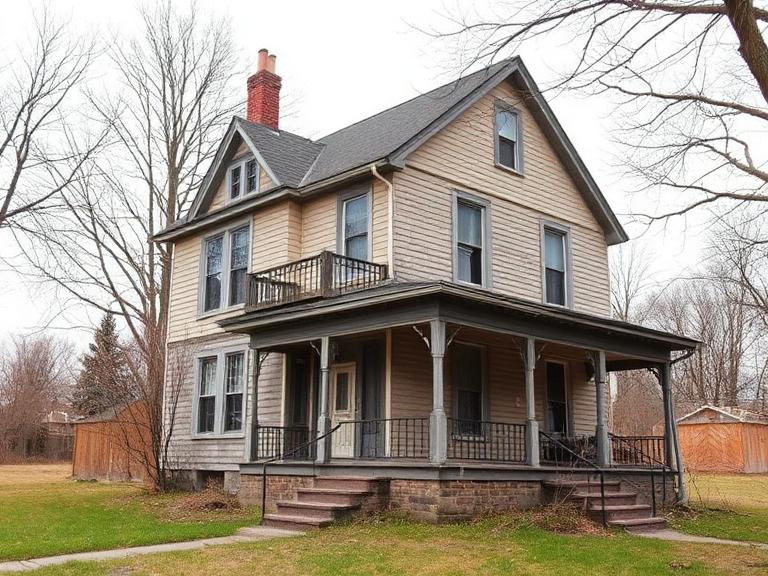
how long before property is considered abandoned in nyc

Can You Just Throw Out “Abandoned” Property Once You Think the Tenant Left?

This is the trap many landlords fall into. The answer is almost always no. At least, not without a process.

If you misjudge How Long Before Property Is Considered Abandoned in New York and rush to toss belongings or change locks, you risk claims for:

  • illegal eviction
  • conversion of personal property
  • statutory penalties under housing and consumer laws

A safer approach usually looks like this:

  1. Inspect the unit carefully.
    Confirm the tenant is gone, not traveling. Look for signs they moved out, not just left for a week.
  2. Document the condition.
    Take detailed photos, including all items, damage, and meter readings if relevant.
  3. Send a formal written notice.
    Explain that you believe the unit is abandoned. Give a clear deadline for communication and retrieval of belongings.
  4. Store items for a reasonable period.
    Store them in a safe place. Keep receipts and an inventory. Avoid using or selling them for your own benefit during this time.
  5. Decide next steps with counsel.
    After the notice period passes with no contact, talk with an attorney before disposal or sale, especially if items appear valuable.

Courts often ask one question. Did the landlord act reasonably and in good faith based on the information they had? If the answer looks like “not really,” the landlord’s risk increases.

How Should Tenants Handle Property When They Move Out?

Tenants also have responsibilities in this story. Many disputes start because a tenant leaves quickly, then returns weeks later, angry that “everything is gone.”

To avoid that, tenants should:

  • Give a clear written move-out notice with a forwarding address
  • Remove all belongings they care about before turning in keys
  • Photograph the empty unit at move-out
  • Ask in writing about any items they cannot remove right away
  • Respond quickly to landlord notices about left-behind property

If you left belongings behind, do not wait months. Reach out in writing as soon as possible. Silence can look like surrender.

Where Does Flatrate Eviction Lawyer Fit In?

Abandonment problems rarely stay simple. They often mix:

  • unpaid rent
  • damaged units
  • security deposit fights
  • left-behind furniture or vehicles
  • threatened or actual eviction cases

Flatrate Eviction Lawyer steps in to untangle those pieces.

For landlords, we:

  • Review the facts and lease language
  • Help decide whether abandonment truly occurred
  • Draft notices about possession and property
  • Advice on storage, disposal, or sale of belongings
  • Defend against wrongful eviction or property claims

For tenants, we:

  • explain what abandonment means under New York law
  • review whether the landlord acted reasonably
  • pursue claims for mishandled property or lockouts
  • raise abandonment and mitigation issues in court

Because we work on a flat-rate model in many matters, you know the legal costs up front. That helps when cash flow is already tight due to vacancy or moving expenses.

Time to Get Clear Answers on How Long Before Property Is Considered Abandoned in New York

If you are still wondering “How Long Before Property Is Considered Abandoned in New York”, you are already in the danger zone. Guessing here can get expensive fast, for both landlords and tenants.

Flatrate Eviction Lawyer can review your lease, your timeline, and your evidence. We then explain your options in plain language and help you choose a strategy that fits your risk and goals.

Contact Flatrate Eviction Lawyer today to schedule a consultation. We will help you handle suspected abandonment, protect your rights, and move forward with a clear plan instead of cross-your-fingers hope.

Frequently Asked Questions 

  1. Is there a specific number of days before property is considered abandoned in New York?
    No single statute sets several days for every rental. Courts look at a combination of vacancy, nonpayment, and lack of contact.
  2. Does a landlord have to store a tenant’s belongings after move-out?
    Often yes, at least for a reasonable time with notice and documentation. Exact duties depend on the lease and circumstances.
  3. Can a landlord keep everything to cover unpaid rent?
    Not automatically. Landlords must follow proper procedures, mitigate damages by re-renting, and handle the security deposit under General Obligations Law 7-108.
  4. What if a tenant comes back months later asking for their stuff?
    If the landlord gave notice and stored items reasonably before disposal, the tenant’s claim may be weaker. Facts and timing still matter.
  5. Should I talk to a lawyer before declaring a place abandoned?
    Yes. Because New York has no simple day count rule, a short legal consult can prevent costly mistakes in both residential and commercial settings.

FREE CONSULTATION

Call us now at (718) 514-7900